Mobile vendors pay bribes to occupy metro station footpaths in Dhaka
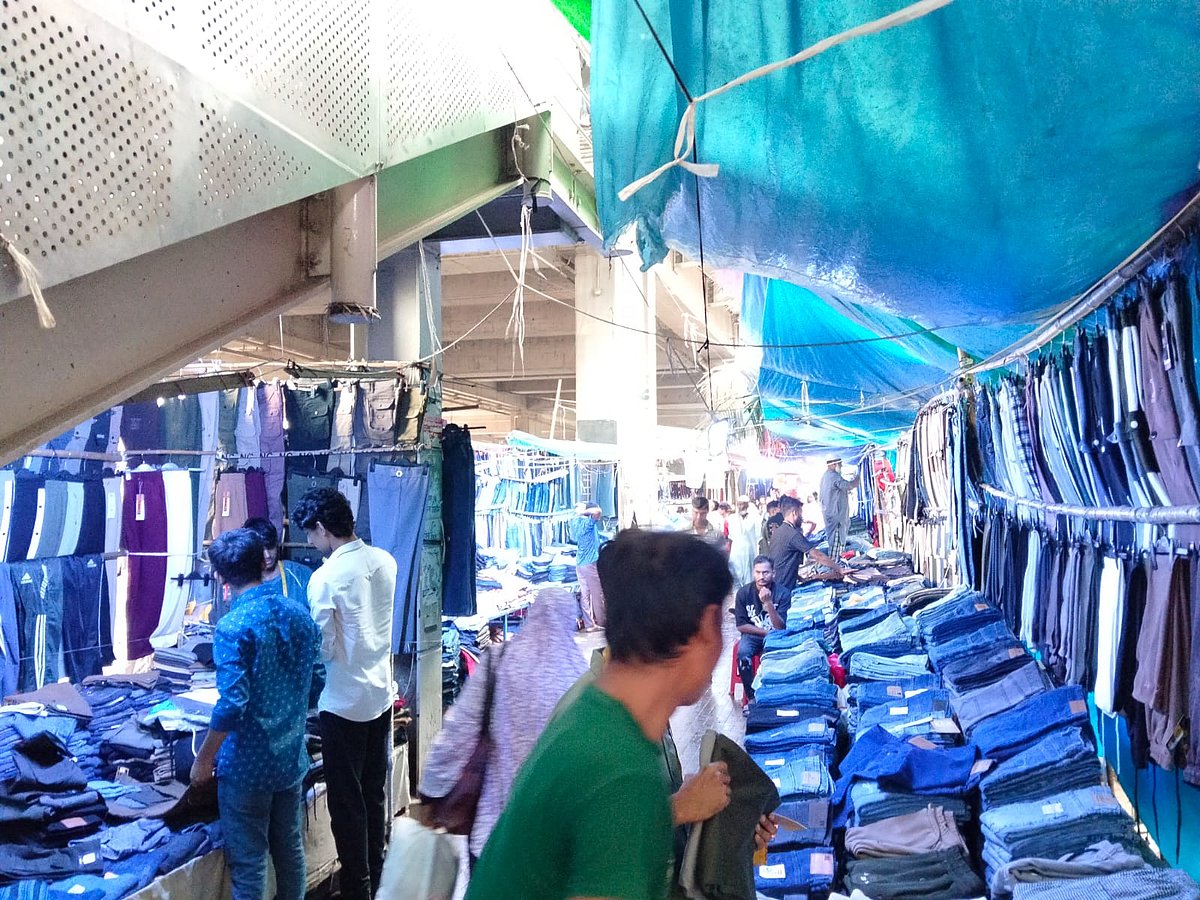
Footpaths around major Dhaka Metro Rail stations, including Mirpur-10, Karwan Bazar, Shahbag, and Motijheel, are heavily encroached upon by mobile vendors selling everything from tea and snacks to clothing. This occupation severely restricts pedestrian movement, leading to frequent collisions and daily harassment for commuters like Ferdousi Shefa, who travels daily from Uttara to Mirpur for work. Shefa described the situation as a constant nuisance, stating that vendors often react aggressively when confronted, forcing pedestrians to remain silent and navigate the crowded spaces.
Investigations reveal a system of corruption where vendors pay significant sums to individuals like 'Abul' to secure spots. Setting up a tea stall reportedly costs 20,000 Taka, while other businesses require 30,000 Taka. Additional daily charges for electricity and security range from 150 to 300 Taka, depending on the stall's location and size. Vendors are often tipped off about impending eviction drives by authorities, allowing them to temporarily remove their merchandise and resume business once the operation concludes.
The Dhaka Mass Transit Company Limited (DMTCL) claims to conduct regular eviction drives, with recent operations reported at Kazipara, Karwan Bazar, and Uttara stations. However, commuters and regular pedestrians argue that these sporadic efforts are ineffective, as vendors quickly return to their occupied spots due to a lack of consistent monitoring and enforcement. The ongoing encroachment significantly inconveniences millions of pedestrians and metro users daily.
The pervasive occupation of public footpaths around Dhaka's metro stations by mobile vendors, facilitated by alleged bribery and corruption, highlights a systemic failure in urban management and enforcement. While the Dhaka Mass Transit Company Limited conducts periodic evictions, their effectiveness is undermined by a lack of sustained oversight and potential information leaks to vendors. This situation creates a conflict between public access rights and informal economic activities, suggesting that a more integrated approach involving city corporations and law enforcement is necessary. Future urban planning must proactively allocate dedicated spaces for vendors or implement more robust, continuous enforcement mechanisms to ensure public infrastructure remains accessible and safe for all citizens, particularly in the context of increasing public transit usage.
AI-generated to prompt reflection — not editorial opinion, not advice, not a statement of fact. How this works.