Mocajuba Bans Interaction With River Dolphins at Tourist Spot
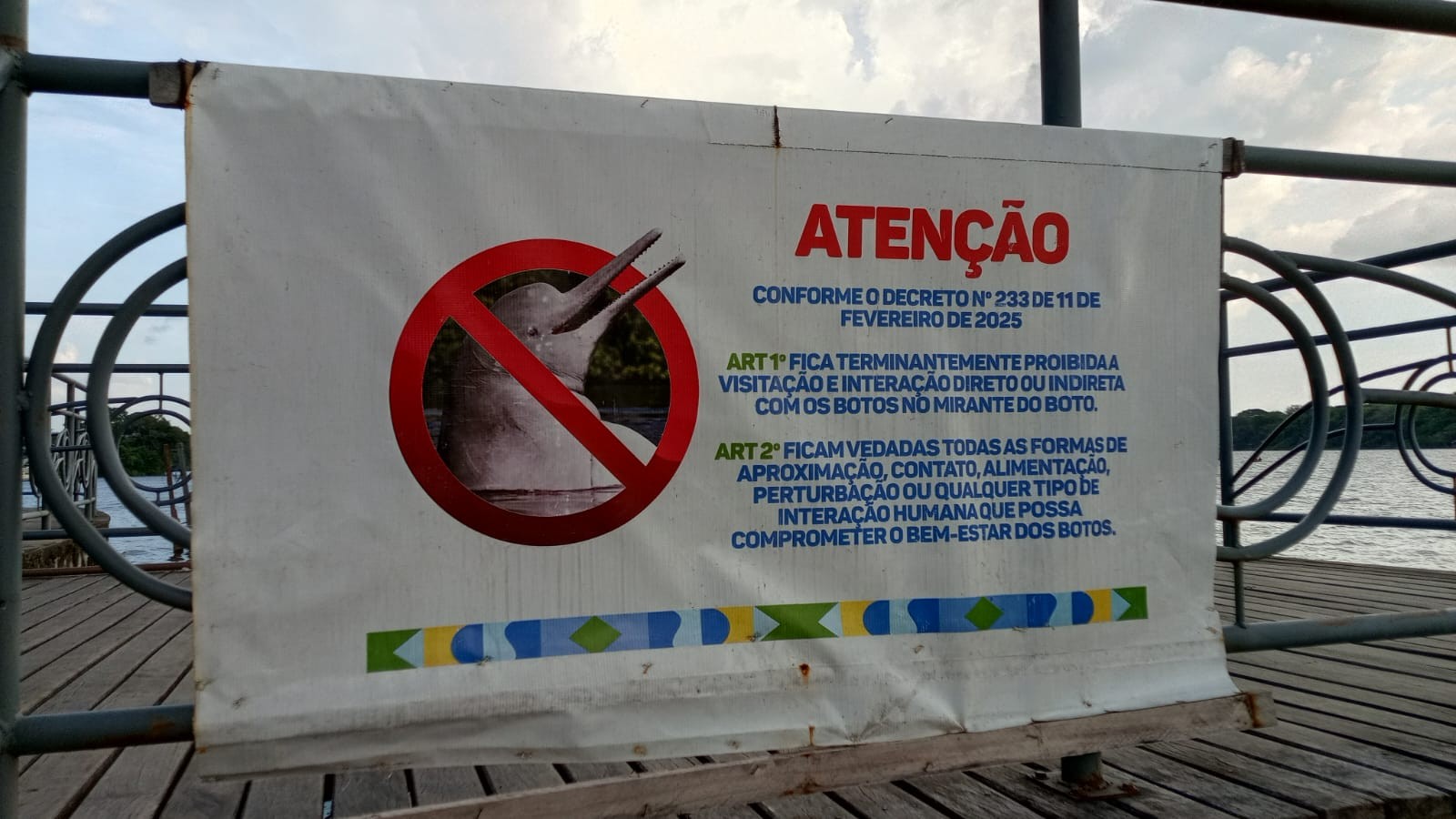
The municipality of Mocajuba, located in the Lower Tocantins region of northeastern Pará, Brazil, has officially prohibited the feeding, visitation, and any form of interaction with river dolphins at the city's main viewing point. This measure, announced on Tuesday, May 14, aligns with technical recommendations from the Brazilian Institute of Environment and Renewable Natural Resources (Ibama) and the Chico Mendes Institute for Biodiversity Conservation (ICMBio). The restriction applies to any approach, feeding, contact, or interaction with the dolphins at the Mirante do Boto, situated near the Municipal Market, a popular spot for locals and tourists. Historically, visitors and residents engaged with the dolphins in the Tocantins River at this location, but such interactions can disturb the animals and alter their natural behavior. Although the prohibition was reinforced on May 14, it has been in effect since February 2023 via a municipal decree, following advice from ICMBio and Ibama. The city administration stated the objective is to protect wildlife and ensure the animals' well-being, preventing behavioral changes and reducing risks for both dolphins and people. The municipality is reinforcing the ban due to the ongoing summer tourist season and continued instances of prohibited interactions. Consequently, the main access stairs to the Mirante do Boto are closed, warning signs are posted, and authorities are monitoring the area to prevent interactions and the sale of fish for feeding by unauthorized individuals. The city is urging public cooperation to preserve its natural heritage.
This municipal ordinance reflects a growing global awareness of the negative impacts of human-wildlife interaction, particularly in tourist hotspots. By implementing restrictions based on expert recommendations from Ibama and ICMBio, Mocajuba is prioritizing ecological integrity and animal welfare over immediate tourist engagement. The reinforcement of the ban during peak season highlights the challenge of balancing economic benefits from tourism with conservation imperatives. Future management strategies might explore alternative, non-intrusive ways to appreciate the local fauna, such as educational programs or designated observation zones that maintain a safe distance, ensuring the long-term health of the dolphin population and the sustainability of ecotourism.
AI-generated to prompt reflection — not editorial opinion, not advice, not a statement of fact. How this works.