Mocktails: The Alcohol-Free Trend Reshaping the Cocktail World
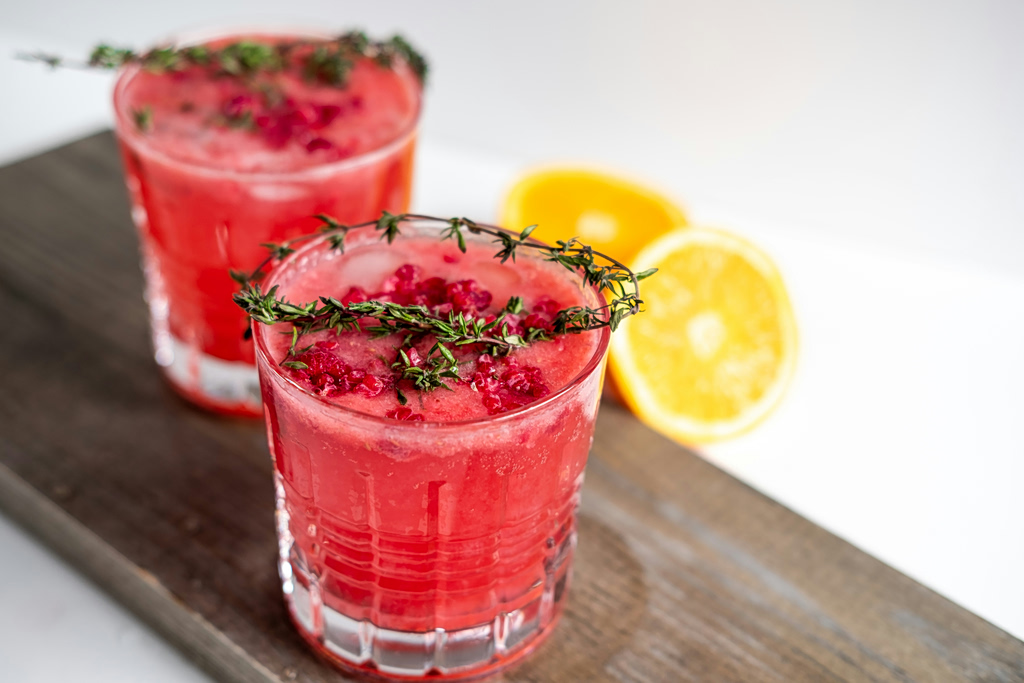
Mocktails are rapidly gaining popularity in the food and beverage industry, offering a distinct enjoyment option for those choosing to forgo alcohol. These innovative drinks demonstrate that a cocktail's appeal does not solely depend on alcoholic content. Through creative flavor combinations, fresh ingredients, and visually appealing presentations, mocktails are proving their worth as sophisticated beverage choices. This trend caters to a growing segment of consumers seeking non-alcoholic alternatives that do not compromise on taste or experience. The rise of mocktails reflects a broader shift in consumer preferences towards healthier and more mindful consumption habits. Establishments are increasingly featuring mocktails on their menus, recognizing their potential to attract a wider customer base. This expansion signifies a significant evolution in beverage culture, moving beyond traditional alcoholic offerings. The focus is on crafting complex and satisfying drinks that can be enjoyed by everyone, regardless of their alcohol consumption choices. This movement highlights a creative resurgence in mixology, pushing boundaries to create exciting new drink profiles.
The growing prominence of mocktails signifies a notable shift in consumer demand towards non-alcoholic beverage options, driven by evolving health consciousness and lifestyle choices. This trend challenges traditional notions of social drinking and highlights the beverage industry's adaptability to changing market dynamics. As consumers increasingly prioritize well-being, the demand for sophisticated, alcohol-free alternatives is likely to continue its upward trajectory. This presents an opportunity for businesses to innovate and expand their offerings, potentially creating new revenue streams and catering to a broader demographic. The success of mocktails underscores a broader societal movement towards mindful consumption and a redefinition of celebratory or social drinking experiences.
AI-generated to prompt reflection — not editorial opinion, not advice, not a statement of fact. How this works.