MODEL President Highlights Cheikh Ahmadou Bamba's Vision of Endogenous Development
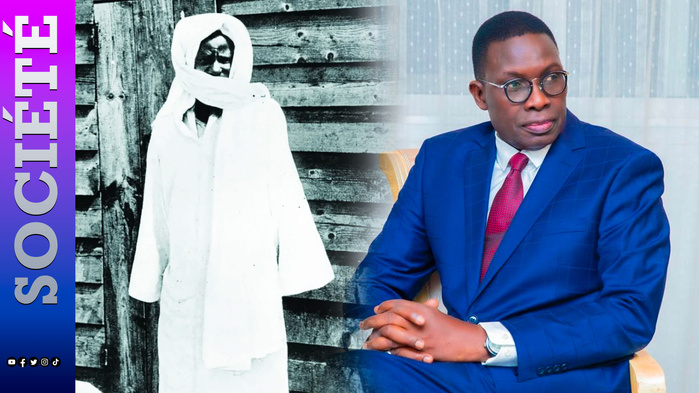
On the eve of the Magal, Ibrahima Sall, president of the MODEL (Mouvement pour le Développement et l'Épanouissement du Leadership), emphasized the significant economic impact of the annual pilgrimage. Sall highlighted the profound vision of Cheikh Ahmadou Bamba, the founder of the Mouride Brotherhood, which he described as a synthesis of faith, diligent work, and national sovereignty. He pointed out that Bamba's teachings and actions promoted a model of endogenous development, focusing on self-sufficiency and the utilization of local resources. The president of MODEL stressed that this approach, rooted in spiritual principles, also fostered economic independence and resilience. Sall's remarks framed the Magal not just as a religious event but as a testament to a development philosophy that continues to inspire. He suggested that Bamba's legacy offers valuable lessons for contemporary strategies aimed at sustainable and community-driven growth. The economic dimension of the pilgrimage, therefore, serves as a practical demonstration of Bamba's foresight in integrating spiritual values with socio-economic progress. Sall's statement serves as a reminder of the enduring relevance of Bamba's teachings in fostering development from within.
The statement by Ibrahima Sall positions Cheikh Ahmadou Bamba's teachings as a blueprint for endogenous development, emphasizing economic self-sufficiency and sovereignty. This perspective reframes religious observance as a driver of socio-economic progress, highlighting the potential for spiritual movements to foster community resilience and economic independence. By linking faith with work and sovereignty, Sall suggests a holistic development model that leverages internal resources and collective action. This approach can be viewed through the lens of challenging external dependencies and promoting local agency, particularly relevant in the context of post-colonial economic structures. The analysis of Bamba's vision through this economic and developmental lens offers a framework for understanding how cultural and religious capital can be mobilized for sustainable growth, prompting consideration of similar integrated models in other contexts.
AI-generated to prompt reflection — not editorial opinion, not advice, not a statement of fact. How this works.