Model-Routing Explained: How Automated AI Selection Saves Money
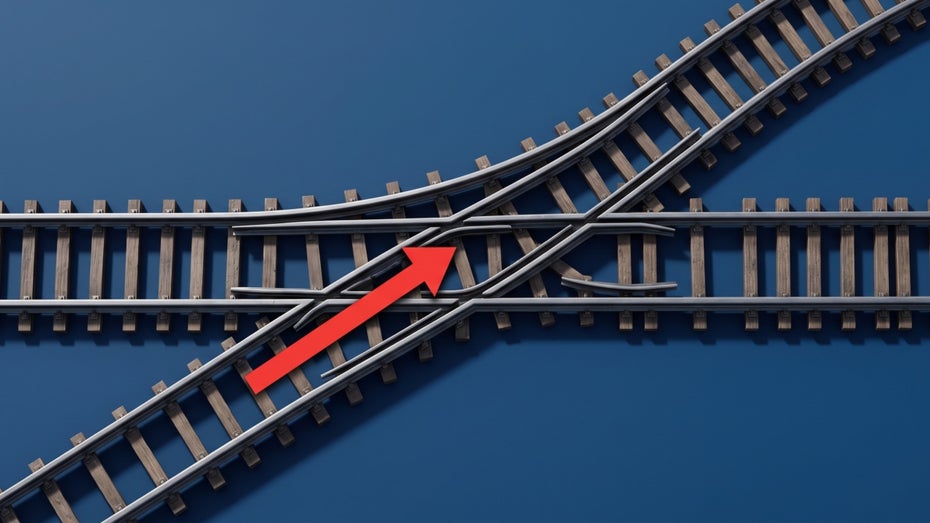
Model-routing is an automated process that determines which tasks should be handled by expensive, high-performance AI models and which can be assigned to less costly AI systems. This approach aims to optimize resource allocation within AI operations. By intelligently distributing workloads, organizations can potentially reduce their overall expenditure on AI computation. The system analyzes the complexity and requirements of each task to make these routing decisions. This allows for a more efficient use of powerful, but expensive, AI models, reserving them for tasks that truly necessitate their advanced capabilities. Meanwhile, simpler or less demanding tasks are delegated to more economical AI solutions. This strategic deployment of AI resources is designed to achieve cost savings without compromising the quality of AI-driven outcomes. The method seeks to balance performance needs with budgetary constraints, offering a practical solution for managing AI costs.
AI model-routing addresses the economic challenge of deploying advanced computational resources. By segmenting tasks based on complexity and assigning them to AI models of appropriate cost and capability, organizations can optimize their operational expenditures. This system-level approach to AI resource management is crucial as AI adoption scales, allowing for the preservation of high-end model performance for critical applications while leveraging more economical options for routine tasks. The long-term implication is a more sustainable and scalable AI infrastructure, enabling broader access to AI capabilities across various business functions by mitigating prohibitive costs.
AI-generated to prompt reflection — not editorial opinion, not advice, not a statement of fact. How this works.