Modern Research Encourages Olive Oil Consumption for Health Benefits
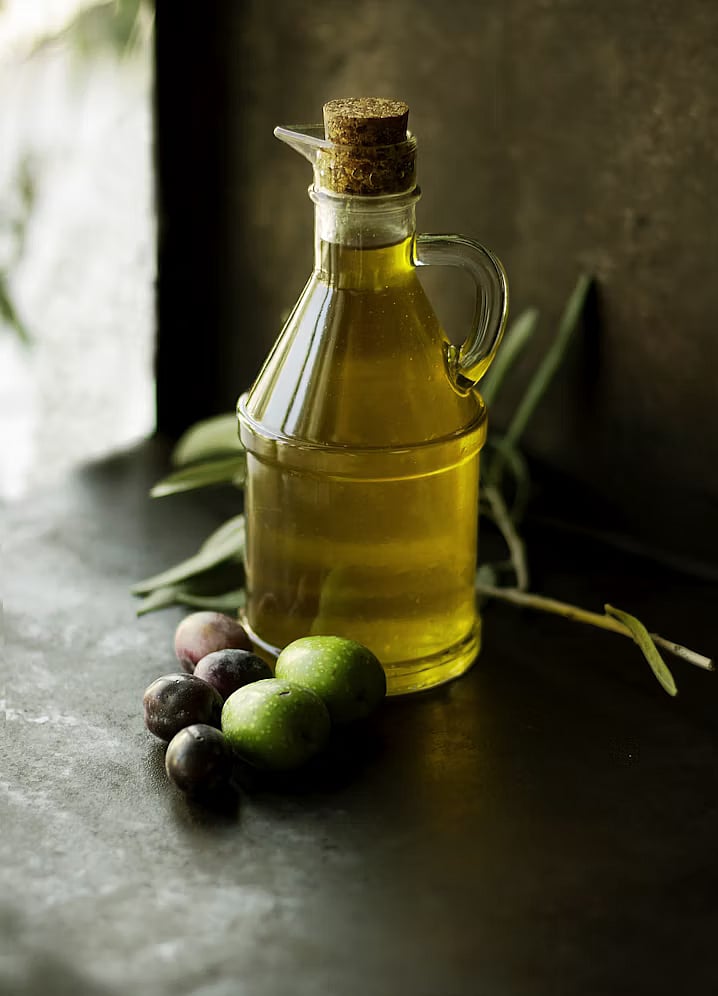
Ancient Romans consumed approximately 20 liters of olive oil annually, roughly four tablespoons daily. This Mediterranean dietary practice continues today, with the belief that regular olive oil intake can help prevent brain aging. Dr. Tasnova Mahin, Associate Consultant in Medicine at Square Hospital Limited, highlights the health advantages of olive oil. Our bodies undergo numerous biochemical processes that produce reactive oxygen species (ROS), contributing to skin and internal aging, including in the brain. Inflammation also negatively impacts brain and bodily health.
Olive oil contains healthy fatty acids, antioxidants, and anti-inflammatory compounds. Antioxidants protect against ROS damage, while anti-inflammatory agents reduce inflammation, collectively slowing age-related changes in the brain and body. Additionally, olive oil aids in absorbing essential nutrients like vitamins A, E, and K, and lutein, all of which support brain health and combat aging. Specifically, extra virgin olive oil may prevent the accumulation of tau protein, a key factor in Alzheimer's disease and memory loss.
While olive oil offers numerous benefits, it's not suitable for cooking most traditional dishes due to its low smoke point, which can produce harmful substances. It is best consumed raw or used in low-heat, quick preparations like salads, dips, or light frying of eggs. It can also be used for sautéing or tempering dishes. However, overall daily oil intake, from all sources, should not exceed four to five tablespoons. A diet rich in dark leafy greens, nuts, legumes, and beans, combined with moderate olive oil consumption, further supports brain youthfulness. Conversely, high intake of red meat, processed foods, and fatty foods may diminish olive oil's benefits. Regular exercise is also crucial for overall physical and mental well-being. Extra virgin olive oil is considered the most beneficial, and consumers should opt for reputable brands marked 'First Cold Pressed' or 'Cold Pressed,' preferably from a single country of origin.
Modern research increasingly validates traditional dietary practices, such as the Mediterranean diet's emphasis on olive oil, by identifying specific biochemical mechanisms like antioxidant and anti-inflammatory properties. This scientific backing shifts the perception of olive oil from a mere culinary ingredient to a functional food with potential neuroprotective and anti-aging effects. The analysis highlights a potential tension between the desire to leverage these health benefits and the limitations of olive oil in high-heat cooking, suggesting a need for dietary adaptation rather than wholesale replacement of cooking methods. Furthermore, the emphasis on moderation and a balanced diet, including other nutrient-dense foods and exercise, underscores that no single food item is a panacea. Future dietary guidelines may further integrate such evidence, promoting personalized nutrition strategies that balance cultural culinary traditions with scientifically supported health interventions, while also considering the economic and environmental factors of sourcing high-quality olive oil.
AI-generated to prompt reflection — not editorial opinion, not advice, not a statement of fact. How this works.