Modernizing Secondary Education: Integrating Technology, Ethics, and Social Responsibility
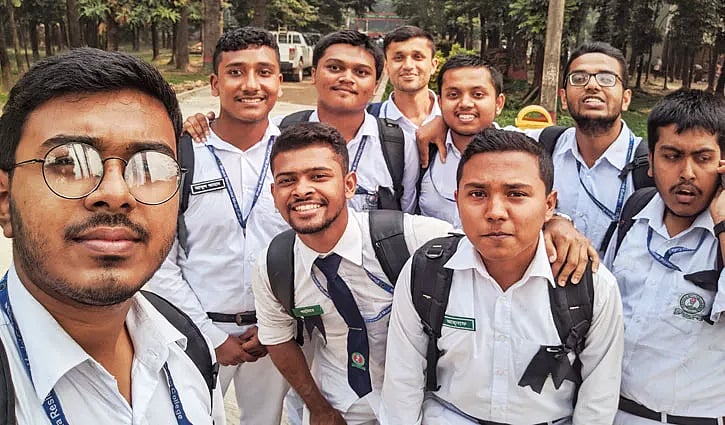
Secondary education is a critical period for developing a student's intellect and character, laying the foundation for their future. In the era of globalization and the Fourth Industrial Revolution, Bangladesh's secondary education system needs a significant overhaul. The goal is to equip students not only with skills for global competition but also to instill a sense of social and ethical responsibility. A balanced integration of technological advancement and moral values is essential for a relevant and effective curriculum. The traditional rote-learning approach is no longer sufficient; practical, hands-on learning and critical thinking are paramount due to the easy availability of information. Introducing coding, IT, and digital literacy at the secondary level is crucial, with an emphasis on using technology as a tool for creativity and problem-solving rather than mere entertainment. This technological proficiency will prepare students for an uncertain job market. However, technological progress must be guided by strong ethical principles. The current system's intense focus on GPA scores fosters a 'success at any cost' mentality, eroding values like honesty, empathy, and tolerance. Addressing this requires more than just adding moral stories to textbooks; it necessitates creating classroom environments that encourage ethical decision-making through case studies and social activities. Character development also extends beyond the classroom, with families and society playing pivotal roles. Parental misuse of technology and societal emphasis on wealth and power can derail students' moral compass, contributing to rising juvenile delinquency. Therefore, a societal movement promoting technological awareness and ethical practice, supported by strong family-school-community collaboration, is vital for healthy adolescent development. The assessment system also needs modernization, moving beyond end-of-year exams to a continuous, multifaceted evaluation that includes class performance, project-based learning, extracurricular activities, and personal qualities. Such a system will reduce exam anxiety and foster diverse talents, nurturing well-rounded citizens. Ultimately, reforming secondary education requires a fundamental shift in societal perspective, prioritizing technological competence and ethical character. Increased state investment in education, proper teacher training, and improved living conditions are necessary. A collaborative effort from families, society, and the state is essential to cultivate a knowledgeable, ethical, and responsible generation capable of leading the nation.
This article advocates for a comprehensive reform of Bangladesh's secondary education system, emphasizing a necessary synergy between technological proficiency and ethical development. The analysis highlights the inadequacy of traditional, rote-learning methods in preparing students for the demands of the Fourth Industrial Revolution and a globalized economy. It correctly identifies the potential for technology to be a double-edged sword, capable of both empowering students and exacerbating societal issues if not guided by strong ethical frameworks. The piece suggests a shift towards critical thinking, practical skills, and continuous, holistic assessment. The core argument posits that true educational success lies not merely in academic achievement or technological aptitude but in cultivating responsible, ethical citizens. This perspective aligns with a forward-looking educational philosophy that seeks to build resilience and adaptability in young people, preparing them for complex societal challenges and ensuring that technological advancement serves humanistic goals rather than undermining them. The call for increased state investment and improved teacher welfare underscores the systemic nature of educational reform, requiring coordinated efforts across multiple societal actors.
AI-generated to prompt reflection — not editorial opinion, not advice, not a statement of fact. How this works.