Modi's Australia Visit: Strategic Pragmatism Over Domestic Differences
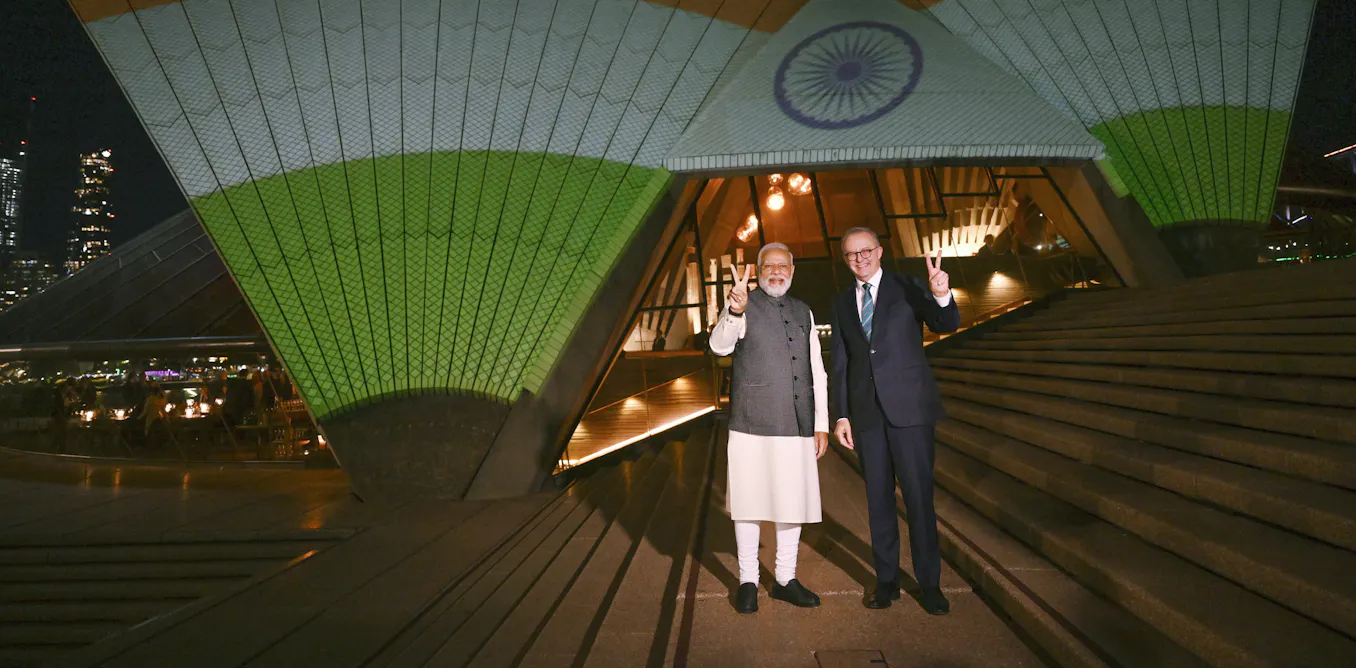
Indian Prime Minister Narendra Modi is undertaking his third visit to Australia, highlighting a significant diplomatic engagement between the two nations. The visit underscores the alignment of strategic and geopolitical interests that unite Australia and India on the global stage. Despite these shared international objectives, the two countries maintain distinct domestic policies and approaches to governance. This divergence in internal affairs does not impede their cooperation on matters of mutual concern, particularly within the Indo-Pacific region. The focus of the visit is expected to be on strengthening bilateral ties through pragmatic cooperation, acknowledging that unity in foreign policy can coexist with diversity in domestic systems. Both nations are keen to enhance economic, defense, and technological partnerships. The engagement aims to solidify a strategic convergence, driven by shared regional security concerns and economic opportunities. This visit represents a continuation of the growing relationship, emphasizing practical collaboration over ideological alignment.
Prime Minister Modi's visit to Australia exemplifies a common trend in international relations where strategic imperatives often supersede domestic policy divergences. The emphasis on "shared geopolitical interests" suggests a pragmatic approach to diplomacy, prioritizing tangible outcomes in areas like regional security and economic cooperation. This focus on pragmatism allows nations with differing internal systems to build robust partnerships, driven by mutual benefit and a shared vision for regional stability. The underlying incentive for both nations is likely to enhance their respective positions within the evolving Indo-Pacific order, leveraging cooperation to address shared challenges and capitalize on emerging opportunities. The long-term implications may involve a further strengthening of multilateral frameworks and a more coordinated approach to global issues, reflecting the increasing interconnectedness of national interests in the 21st century.
AI-generated to prompt reflection — not editorial opinion, not advice, not a statement of fact. How this works.