Mogi das Cruzes and Alto Tietê Region Brace for Significant Temperature Drop This Weekend
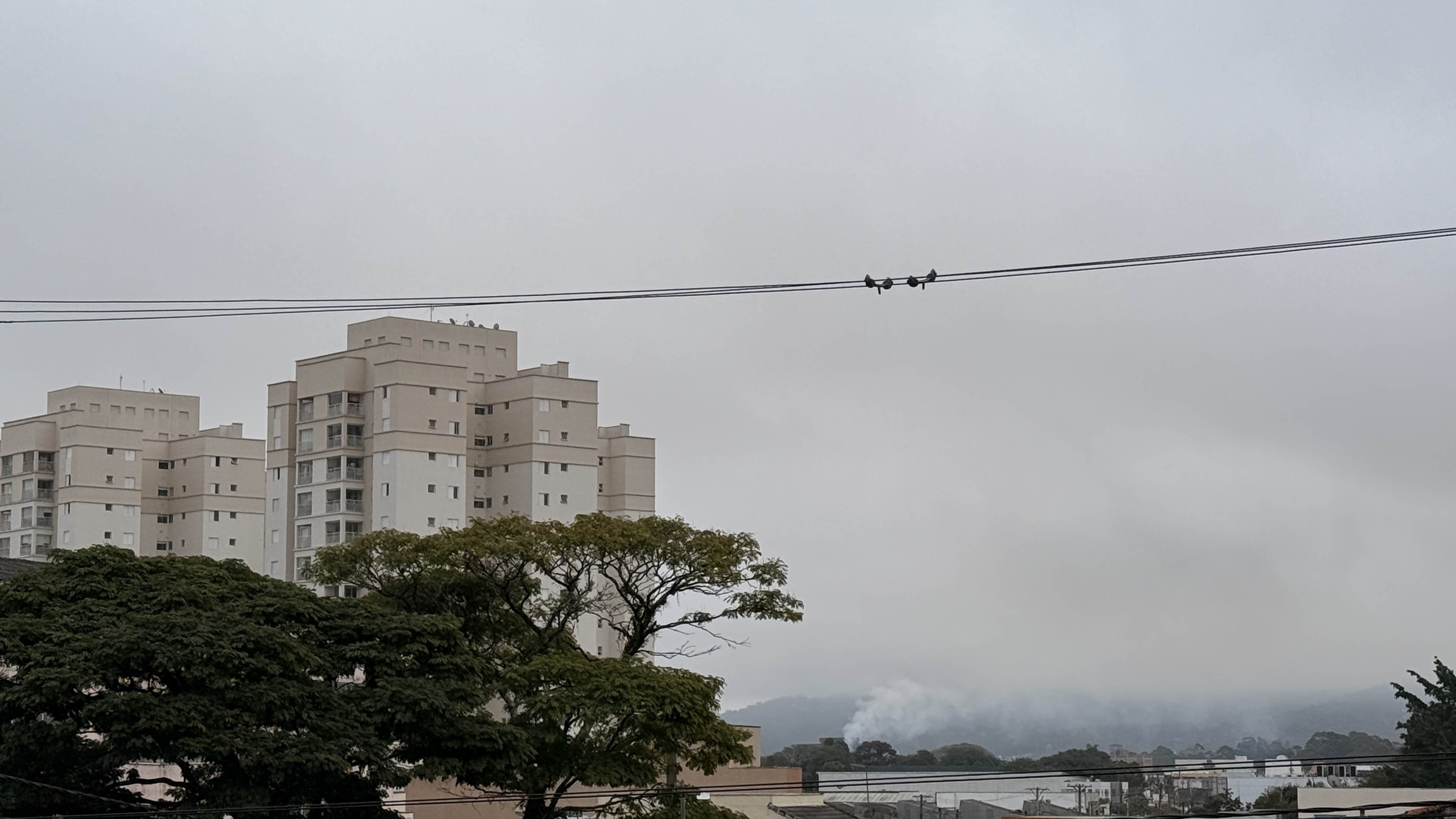
Mogi das Cruzes and the Alto Tietê region are expected to experience a sharp decrease in temperatures between Friday, June 3rd, and Sunday, June 5th, due to an incoming polar air mass. This cold air will arrive following a cold front and the formation of a low-pressure system near the country's South. Consequently, maximum temperatures across the region are predicted to range between 17°C and 18°C over the weekend, with the most noticeable change occurring in the afternoons. This contrasts with Thursday, June 2nd, when the city recorded highs of 26°C under sunny skies. Temperatures are expected to gradually decline into the following week.
For Friday, June 3rd, Mogi das Cruzes anticipates a foggy morning with a cloudy afternoon and evening, with temperatures ranging from a minimum of 11°C to a maximum of 23°C. Saturday, June 4th, will be cool and sunny with abundant clouds, a minimum of 12°C and a maximum of 17°C, and no chance of rain. Sunday, June 5th, will also feature sun with many clouds and periods of overcast skies, with lows of 12°C and highs reaching 18°C.
Other Alto Tietê cities will see higher temperatures on Friday, with most reaching 25°C under sunny, clear skies. However, starting Saturday, temperatures will drop significantly, with maximums not exceeding 18°C or 19°C. Despite the increased cloudiness and cooler weather, no rain is forecast for any of these cities throughout the weekend. Salesópolis is noted as the coldest city in the region, with temperatures between 11°C and 21°C, and is expected to receive over 45 millimeters of rain between Tuesday and Friday.
The forecast indicates a typical seasonal weather pattern shift driven by atmospheric pressure systems, leading to a significant temperature decrease across the Alto Tietê region. This event highlights the predictable impact of meteorological phenomena on daily life and local economies, particularly those reliant on outdoor activities or agriculture. Understanding these predictable cycles allows for better resource management and public preparedness, mitigating potential disruptions. The contrast between sunny conditions and the impending cold front underscores the dynamic nature of weather systems and the importance of accurate forecasting for community planning and individual decision-making in the coming days.
AI-generated to prompt reflection — not editorial opinion, not advice, not a statement of fact. How this works.