Mojtaba Khamenei's Absence: Can Iran's Islamic Republic Have a Leader in Hiding?
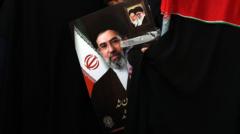
Mojtaba Khamenei, reportedly the new Supreme Leader of Iran, has remained absent from public view for over four months since allegedly succeeding his father. Despite the circulation of letters attributed to him, there have been no public appearances, images, or audio recordings released. This prolonged absence has led to discussions comparing his situation to the hidden imams in Shia Islam. The article explores the potential religious and political implications of this enigmatic presence. The comparison to prophetic and twelfth Imam figures suggests a deliberate strategy to cultivate an aura of mystique and divine appointment. This approach may be intended to consolidate power and legitimacy in the absence of traditional public engagement. The religious undertones could serve to rally a devout base, while the political dimension aims to project an image of unwavering authority. The situation raises questions about the nature of leadership and governance within the Islamic Republic, particularly in an era where transparency is increasingly valued globally. The effectiveness of such a strategy in the long term remains to be seen, especially in managing public expectations and maintaining stability.
The reported absence of Mojtaba Khamenei from public view following his alleged succession raises questions about leadership visibility and legitimacy within the Islamic Republic. Employing a strategy of 'absence' echoes historical precedents in religious and political movements, potentially aiming to cultivate mystique and consolidate authority through indirect influence. This approach may leverage religious symbolism to bolster support among a devout populace, while politically seeking to project an image of unwavering, divinely sanctioned power. However, in the contemporary information age, sustained opacity can also present challenges to governance, potentially fostering speculation and undermining public trust. The long-term efficacy of such a leadership model, which deviates from conventional public engagement, will depend on its ability to maintain internal cohesion and navigate evolving societal expectations regarding transparency and accountability.
AI-generated to prompt reflection — not editorial opinion, not advice, not a statement of fact. How this works.