Mojtaba Khamenei Vows Retaliation, Potentially Jeopardizing Qatar's Mediation Efforts
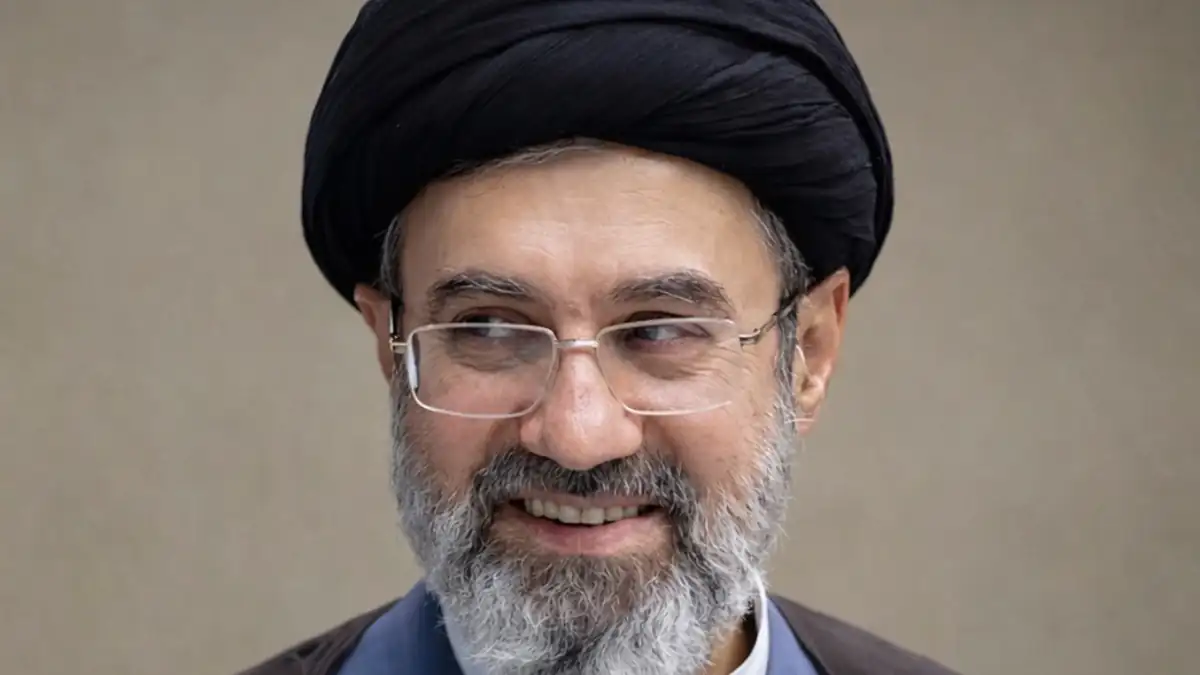
Following the completion of six days of mourning, Iran's new supreme leader, Mojtaba Khamenei, has signaled a closing of the diplomatic window that had been opened in Doha. In a written message released on Saturday, dated Friday, Mojtaba Khamenei declared that retaliation against those responsible for his father, Ayatollah Ali Khamenei's, death is inevitable. Ayatollah Ali Khamenei was reportedly killed on the 28th. This statement from Mojtaba Khamenei suggests a hardening of Iran's stance, potentially complicating mediation efforts led by Qatar. The previous supreme leader's death has led to a significant shift in Iran's political landscape and its international relations. The timing of this vow of vengeance, so soon after the funeral, indicates a strong resolve to pursue retribution. The implications for regional stability and ongoing diplomatic initiatives remain to be seen.
The succession of Mojtaba Khamenei to supreme leader, coupled with his immediate vow of vengeance, introduces a significant variable into regional diplomacy. While such rhetoric is often employed to consolidate power and rally domestic support following a leadership transition, it also carries the risk of escalating existing geopolitical tensions. The stated inevitability of retaliation may constrain the flexibility of mediators like Qatar, potentially forcing a more confrontational approach from Iran. This dynamic highlights the inherent tension between domestic political imperatives and the pursuit of de-escalation in a complex geopolitical environment. Future diplomatic strategies will need to navigate this assertive stance while seeking pathways to prevent further conflict.
AI-generated to prompt reflection — not editorial opinion, not advice, not a statement of fact. How this works.