Moldovan Prime Minister Resigns Amidst Political Crisis and Social Unrest
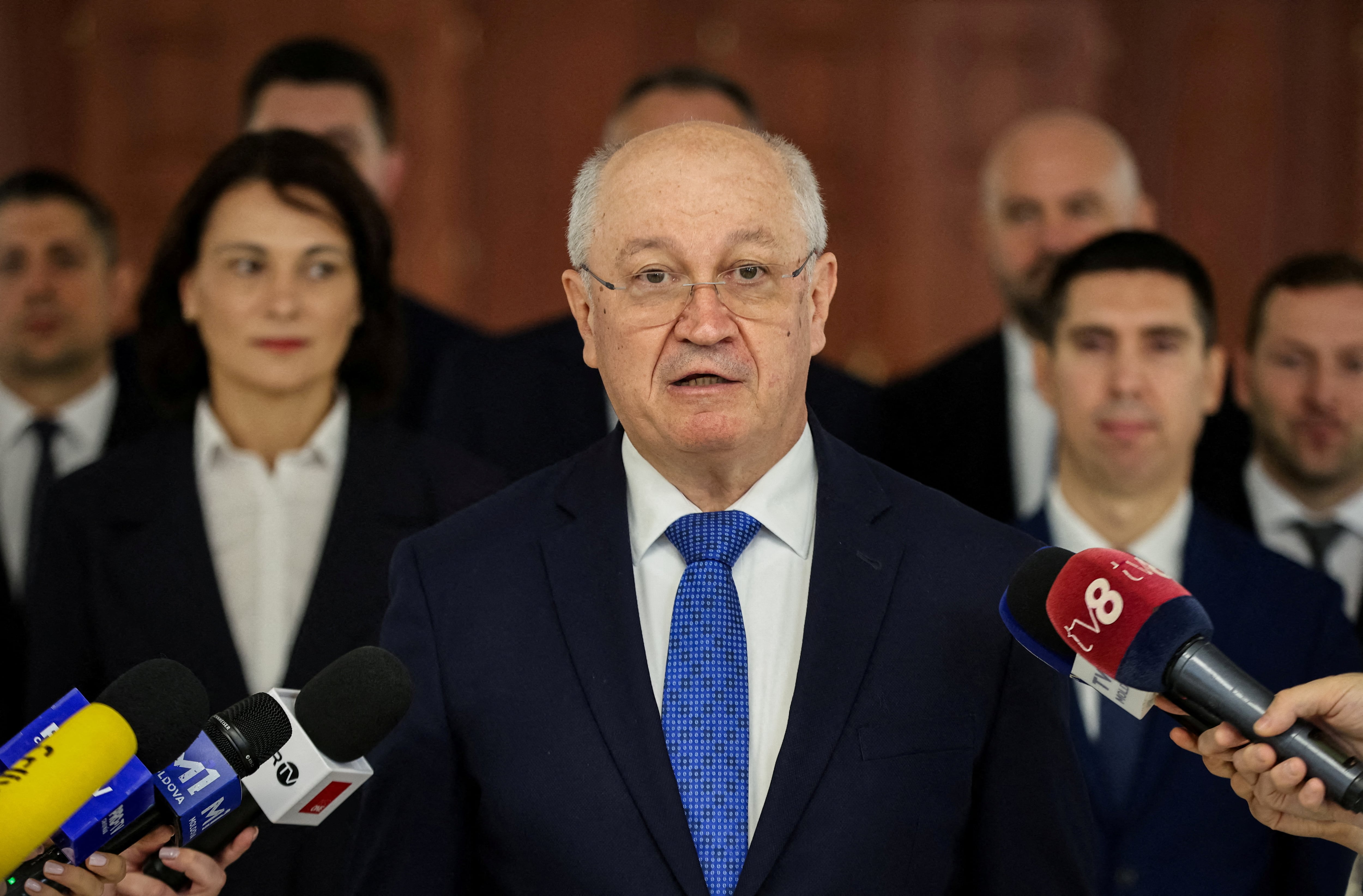
Moldovan Prime Minister Alexandru Munteanu has resigned from his position, citing a severe political crisis within the pro-European government. The nation, a former Soviet republic, has recently begun negotiations to join the European Union. However, the government's proposed package of fiscal reforms has faced significant social backlash. This public rejection has intensified the ongoing political instability. The resignation comes at a critical juncture as Moldova navigates its EU accession process while dealing with domestic dissent. The specific details of the fiscal reforms and the exact nature of the political crisis were not elaborated upon in the original report. The situation highlights the challenges faced by governments implementing potentially unpopular economic measures, even when pursuing strategic geopolitical goals.
The resignation of Prime Minister Alexandru Munteanu underscores the inherent tension between pursuing ambitious geopolitical objectives, such as EU accession, and managing domestic economic policy. The social rejection of fiscal reforms suggests a disconnect between the government's reform agenda and public sentiment regarding its economic impact. This situation presents a governance challenge, where the perceived benefits of EU integration may not be immediately apparent or equitably distributed among the population, leading to public opposition. Future policy decisions will likely need to balance the demands of international integration with the imperative of ensuring broad-based public support and addressing immediate economic concerns to maintain political stability.
AI-generated to prompt reflection — not editorial opinion, not advice, not a statement of fact. How this works.