Molino Grollmus Attack Trial: Two Months, 11 Protected Witnesses
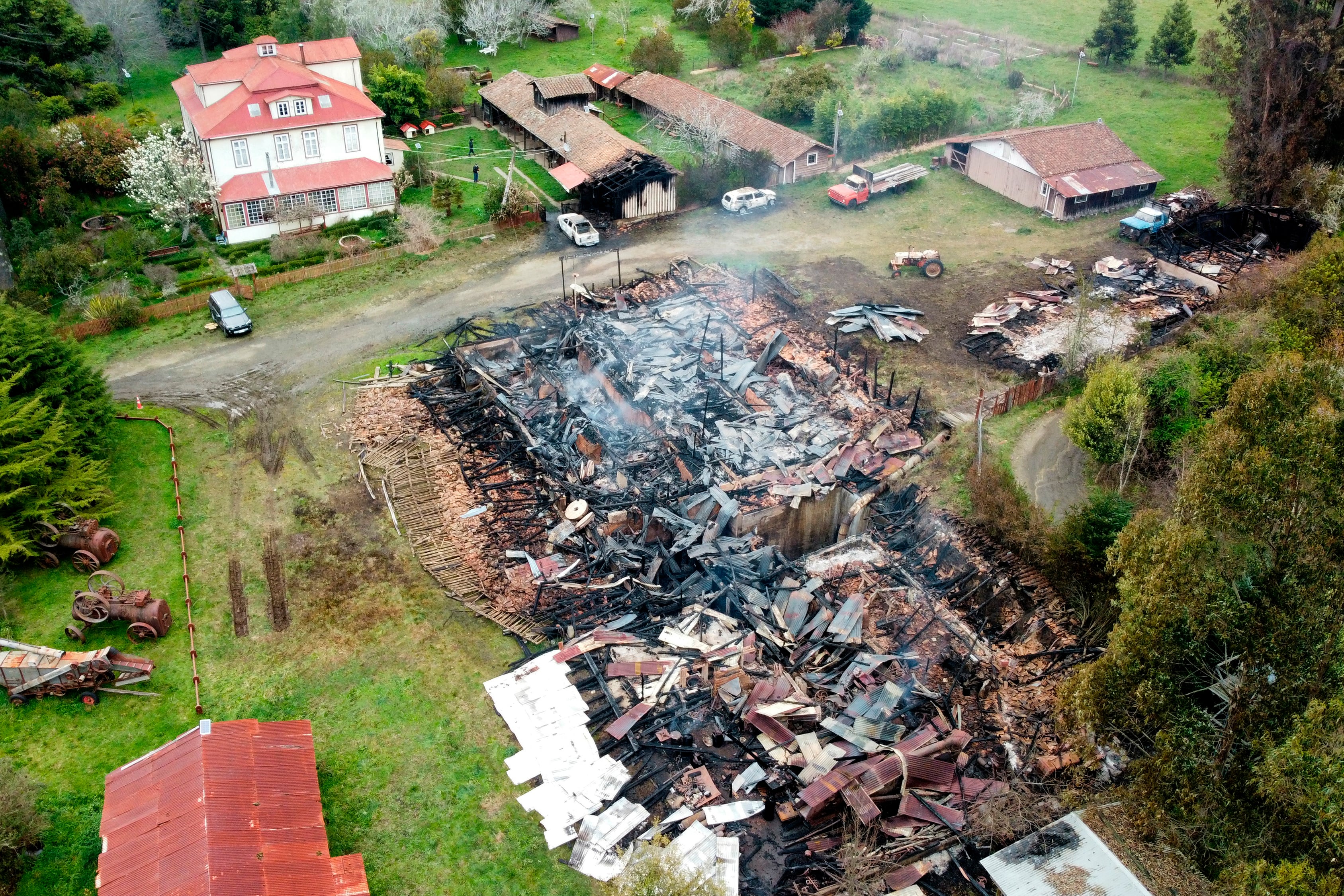
The trial for the attack on Molino Grollmus in the Biobío region of Chile is set to last two months. The Public Prosecutor's Office is seeking a qualified life sentence for 16 defendants. During the proceedings, the prosecution plans to present testimony from 11 protected witnesses. The defense teams have expressed criticism regarding the investigation conducted by the prosecutor's office. They contend that the case relies on evidence provided by witnesses whose identities remain unknown. This lack of transparency in witness identification is a central point of contention for the defense as the trial commences.
The protracted legal process for the Molino Grollmus attack highlights significant challenges in balancing the need for justice with due process. The prosecution's reliance on protected witnesses, while potentially crucial for securing convictions in cases involving organized crime or violence, raises concerns about the defense's ability to effectively challenge evidence. This dynamic underscores a systemic tension between investigative necessity and the fundamental right to confront one's accusers. Future legal frameworks may need to explore innovative, yet robust, mechanisms for witness protection that do not unduly compromise the integrity of the defense's case, ensuring that accountability is pursued without sacrificing core legal principles. The duration and complexity of such trials also point to the resource demands placed on the judicial system.
AI-generated to prompt reflection — not editorial opinion, not advice, not a statement of fact. How this works.