Molly the Toy: 20 Years of Enduring Appeal in a Fleeting World
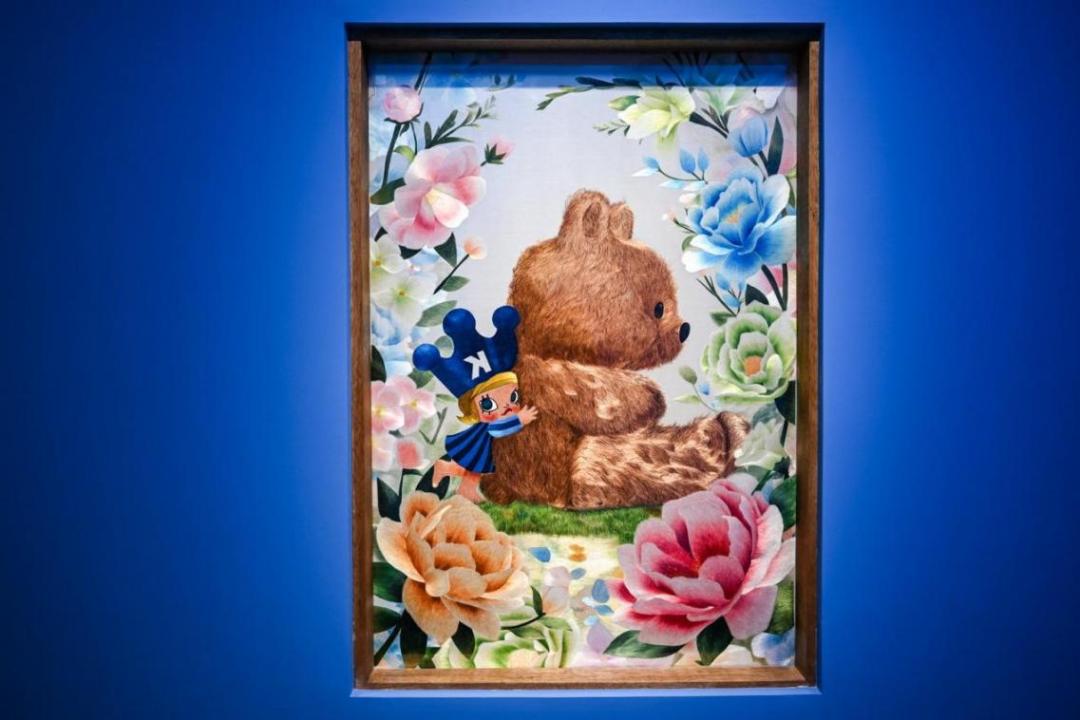
In an era of rapid consumption and diminishing attention spans, the toy figure Molly has maintained a remarkable 20-year reign of popularity. Despite the fleeting nature of trends, Molly, known for her unsmiling, unadorned appearance, has cultivated deep emotional connections with a diverse global audience. People of all ages and backgrounds find resonance with Molly, viewing her as a symbol of personal expression and a quiet companion.
Her enduring appeal lies in her ambiguity and refusal to conform to specific expectations. Unlike many pop culture icons with defined audiences, Molly transcends generational and cultural boundaries. Initially a niche art piece, she has evolved into a public art symbol, appearing in collaborations with artists, luxury collections, and even space missions. This adaptability, coupled with her consistent core trait—a subtle lip bite signifying focus and stubbornness—allows individuals to project their own feelings and experiences onto her.
Molly's journey, initiated by artist Kenny Wong in 2006, was not an overnight success. Early struggles gave way to broader recognition through collaborations with Mayday's Ashin and later, a pivotal partnership with Pop Mart in 2016. This collaboration launched China's modern designer toy market, with Molly's series selling out in seconds. Her design has evolved to reflect contemporary sentiments, from athletic poses during the Beijing Olympics to astronaut themes and, more recently, expressions of anger, symbolizing a raw life force.
Ultimately, Molly's longevity stems from her ability to serve as a canvas for personal narratives. Fans imbue her with their own stories, struggles, and aspirations, transforming her from a mere commodity into a shared life companion. This deep, personal connection, fostered over two decades, allows Molly to remain relevant, evolving with her audience while retaining the authentic essence that first captivated them.
The enduring success of the Molly toy figure over two decades in a hyper-accelerated consumer culture presents a fascinating case study in brand longevity and emotional resonance. While market dynamics often favor novelty and rapid trend cycles, Molly's sustained appeal suggests a deeper human need for consistent, non-judgmental symbolic anchors. The brand's strategy of evolving its external presentation to align with contemporary societal moods, while preserving a core, unchanging expressive element (the lip bite), appears to have created a sustainable feedback loop. This allows consumers to project evolving personal narratives onto a stable, recognizable form, fostering a sense of continuity and personal connection that transcends fleeting fads. The analysis suggests that in an era increasingly characterized by digital ephemerality and curated online personas, tangible objects that facilitate authentic self-expression and provide a sense of enduring companionship may hold significant, and perhaps growing, psychological and market value.
AI-generated to prompt reflection — not editorial opinion, not advice, not a statement of fact. How this works.