Monaco: No Income Tax Since 1869, One in Three Residents is a Millionaire
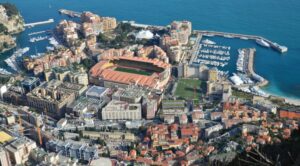
Monaco, a European principality situated on the Mediterranean coast between France and the sea, is the world's second-smallest country, covering approximately two square kilometers. The nation is renowned for a policy that has attracted the global elite for decades: its residents are exempt from paying income tax. This income tax exemption has been in place since 1869. As a result of this favorable fiscal environment, Monaco boasts a high concentration of wealthy individuals, with an estimated one in three residents qualifying as millionaires. The principality's small size and unique tax status contribute to its distinct economic and social landscape, making it a significant financial hub.
Monaco's long-standing absence of income tax, established in 1869, has demonstrably created an attractive environment for high-net-worth individuals, leading to a significant proportion of its residents being millionaires. This policy highlights a potential economic model where state revenue is derived from other sources, such as tourism, real estate, and corporate taxes, rather than individual income. Examining this model through a ten-year lens, one can consider the sustainability of such a system in an increasingly interconnected global economy and the potential implications of evolving international tax regulations. The concentration of wealth also raises questions about social equity and the broader economic impact on the resident population beyond the affluent.
AI-generated to prompt reflection — not editorial opinion, not advice, not a statement of fact. How this works.