Mongaguá Veterinary Clinic Shut Down Over Fake License and Animal Death Allegations
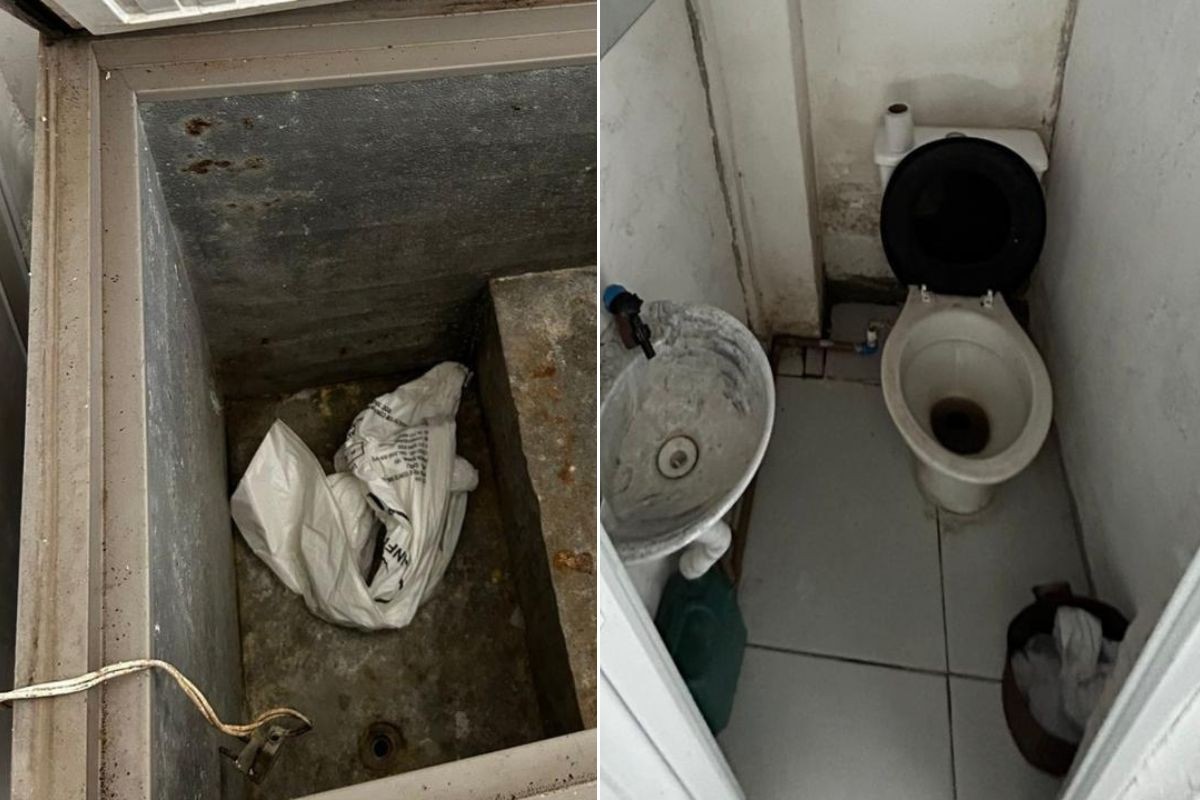
A veterinary clinic in Mongaguá, on the coast of São Paulo, has been shut down by the Municipal Prefecture after operating with a falsified license. The establishment, located in the Jardim Praia Grande neighborhood, was sealed following a joint operation prompted by a citizen's complaint. The complaint was filed with the Municipal Ombudsman's Office by a resident who reported that four of her animals experienced severe complications after procedures at the clinic, leading to the death of one dog. Teams from the Health Surveillance, Commerce Inspection, and Municipal Civil Guard inspected the premises and found significant sanitary issues. These included unhygienic bathrooms, a lack of running water in the consultation room, and improper disposal of sharp materials. An oxidized freezer used for storing carcasses was found in a corridor. The clinic also lacked essential documents such as sterilization records, basic supplies like suture threads, a Fire Department inspection certificate, and pest control certification. The clinic's responsible parties were taken to the Civil Police station for questioning regarding the illegal operations. The Prefecture emphasized the importance of public reporting to identify and halt activities posing risks to public health and animal welfare, urging residents to report suspected irregularities through official channels.
This incident highlights critical failures in regulatory oversight and enforcement within the veterinary services sector. The operation of a veterinary clinic with falsified permits and severe sanitary deficiencies, culminating in alleged animal harm, points to systemic vulnerabilities. These include potential gaps in initial licensing verification, ongoing inspection protocols, and the effectiveness of public reporting mechanisms. The reliance on citizen complaints suggests a reactive rather than proactive enforcement model. Moving forward, enhanced due diligence in licensing, robust and regular unannounced inspections, and the implementation of digital traceability for permits and certifications could mitigate such risks. Furthermore, fostering a culture of accountability among service providers, supported by clear legal frameworks and penalties, is essential for ensuring public trust and animal welfare in the face of evolving market demands for pet care services.
AI-generated to prompt reflection — not editorial opinion, not advice, not a statement of fact. How this works.