Monheim City Council Again Rejects Bayer Football Campus Proposal
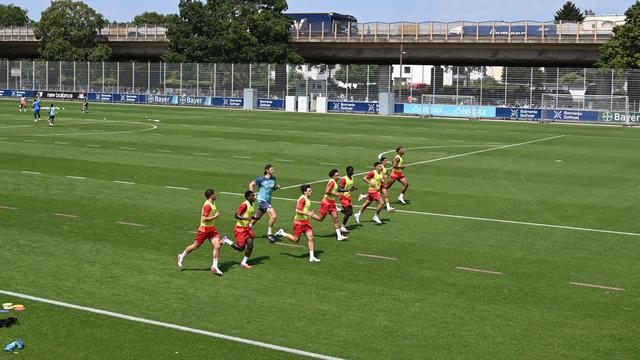
The Monheim City Council has once again failed to approve the construction of a football campus for Bayer Leverkusen. The decision was made during a council meeting, where a majority could not be reached for the project. This marks a recurring setback for Bayer's plans to develop a new training and youth development facility in the city. The exact reasons for the repeated rejection were not detailed in the initial report, but the lack of a majority indicates significant opposition or unresolved concerns among council members. Bayer Leverkusen had been seeking to establish its campus in Monheim, a plan that has now faced another hurdle. The outcome signifies that the football club will need to reconsider its strategy or find alternative locations for its proposed development. Further discussions or revised proposals may be necessary for the project to move forward in Monheim.
The repeated rejection of Bayer Leverkusen's football campus proposal by the Monheim City Council highlights a common tension between private development interests and local governance. While the specific objections remain undisclosed, such outcomes often stem from a complex interplay of factors including land use, environmental impact, infrastructure strain, and community sentiment. From a systems perspective, the council's decision reflects a prioritization of existing community needs or concerns over the potential economic or sporting benefits proposed by Bayer. This situation underscores the importance of robust public consultation and transparent decision-making processes in urban planning, especially when large-scale projects are involved. Future developments might benefit from more proactive engagement with local stakeholders to address potential conflicts early in the planning stages, ensuring alignment between corporate ambitions and municipal objectives.
AI-generated to prompt reflection — not editorial opinion, not advice, not a statement of fact. How this works.