Monique Clesca's "Silence and Resistance": A Dual Perspective on Identity
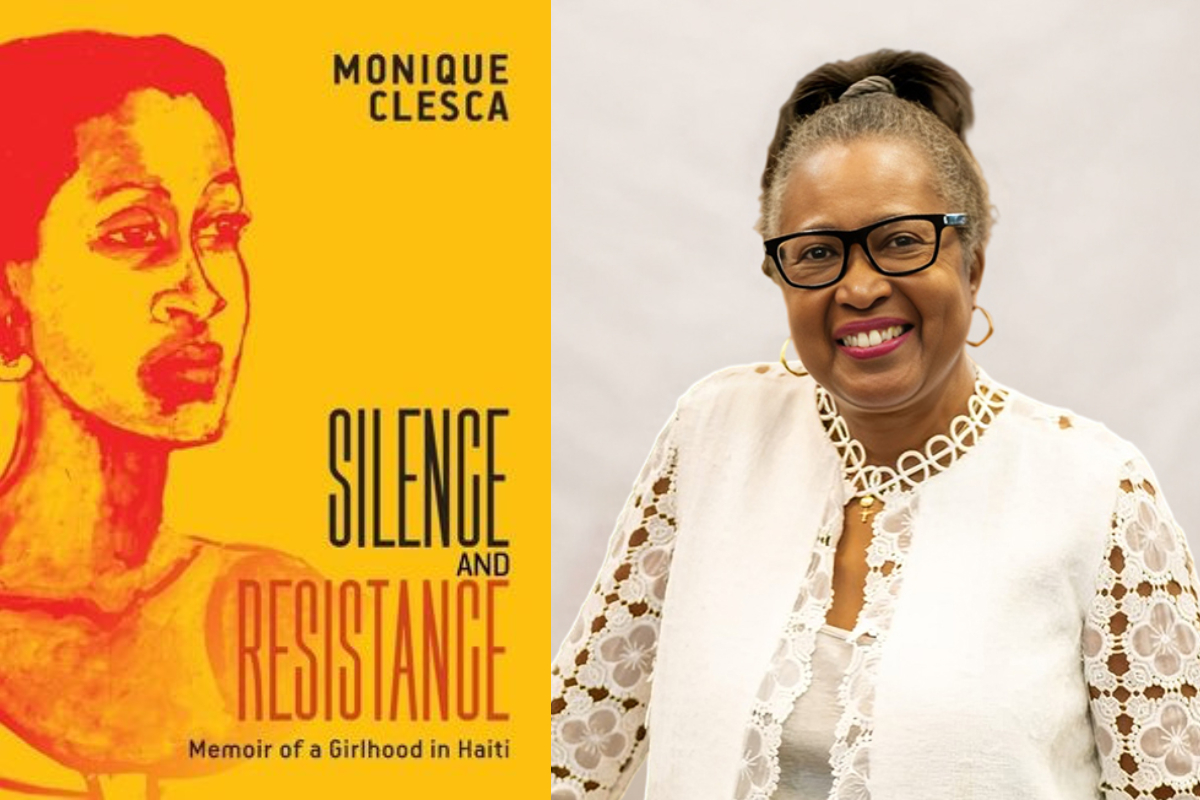
Monique Clesca's work, "Silence and Resistance," explores the multifaceted nature of identity through the metaphor of two voices within a single body. The book delves into the internal dialogues and conflicts that shape an individual's sense of self. Clesca examines how societal expectations and personal experiences can lead to a duality of expression, where silence and resistance become intertwined. The narrative likely navigates the complexities of self-perception and the external pressures that influence it. Through this exploration, the author aims to shed light on the universal human experience of reconciling different aspects of one's being. The title itself suggests a profound examination of how internal struggles manifest externally, and how periods of quiet contemplation can coexist with active opposition. This literary work invites readers to reflect on their own internal landscapes and the ways in which they navigate their identities in the world.
Monique Clesca's "Silence and Resistance" offers a compelling framework for understanding the internal dynamics of identity formation. By personifying internal conflict as 'two voices of the same body,' the work invites reflection on how individuals navigate societal pressures and personal aspirations. This duality can be analyzed through the lens of cognitive dissonance and the psychological mechanisms employed to maintain a coherent self-concept amidst competing internal and external demands. In the context of an increasingly interconnected world, where individuals are exposed to diverse narratives and expectations, understanding these internal dialogues becomes crucial for fostering individual resilience and authentic self-expression. The book's exploration of silence and resistance as coexisting forces highlights the nuanced strategies people employ to assert their agency, whether through overt action or introspective fortitude.
AI-generated to prompt reflection — not editorial opinion, not advice, not a statement of fact. How this works.