Monitoring Germany's Bathing Lakes: A Day in the Life of a Water Quality Inspector
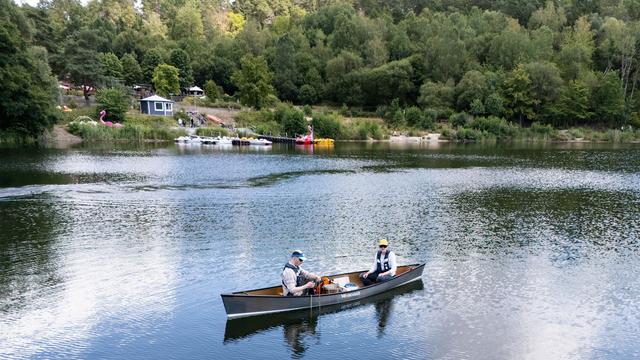
The work of a bathing lake inspector in Germany involves a meticulous process of ensuring water quality and safety for swimmers. These inspectors, often equipped with specialized tools like canoes and probes, conduct regular checks on various bodies of water designated for public recreation. Their responsibilities extend beyond simple visual inspections, encompassing the collection of water samples for laboratory analysis. These samples are tested for a range of parameters, including bacterial contamination, chemical pollutants, and nutrient levels, which can indicate the presence of harmful algae or other environmental hazards. The inspector's role is crucial in preventing potential health risks associated with poor water quality, such as gastrointestinal illnesses or skin infections. They also monitor the physical environment around the lakes, looking for potential sources of pollution like agricultural runoff or improperly managed waste disposal. Based on their findings, inspectors provide recommendations for lake management and, if necessary, issue warnings or advisories to the public. This diligent oversight helps maintain the recreational value of Germany's bathing lakes and protects public health throughout the swimming season.
The systematic monitoring of public bathing lakes in Germany highlights a proactive approach to public health and environmental stewardship. This process, involving detailed water sampling and analysis, aims to mitigate risks by identifying potential contaminants before they pose a significant threat to swimmers. The inspector's role serves as a critical interface between environmental science and public safety policy. Future challenges may involve adapting these monitoring protocols to detect emerging contaminants, such as microplastics or novel chemical compounds, and integrating real-time sensor data to enhance response times. Ensuring consistent funding and standardized training for inspectors across different regions will be key to maintaining the integrity of this essential public service in the face of evolving environmental pressures and climate change impacts.
AI-generated to prompt reflection — not editorial opinion, not advice, not a statement of fact. How this works.