Monkey Attacks Surge in Florianópolis, Raising Rabies Concerns
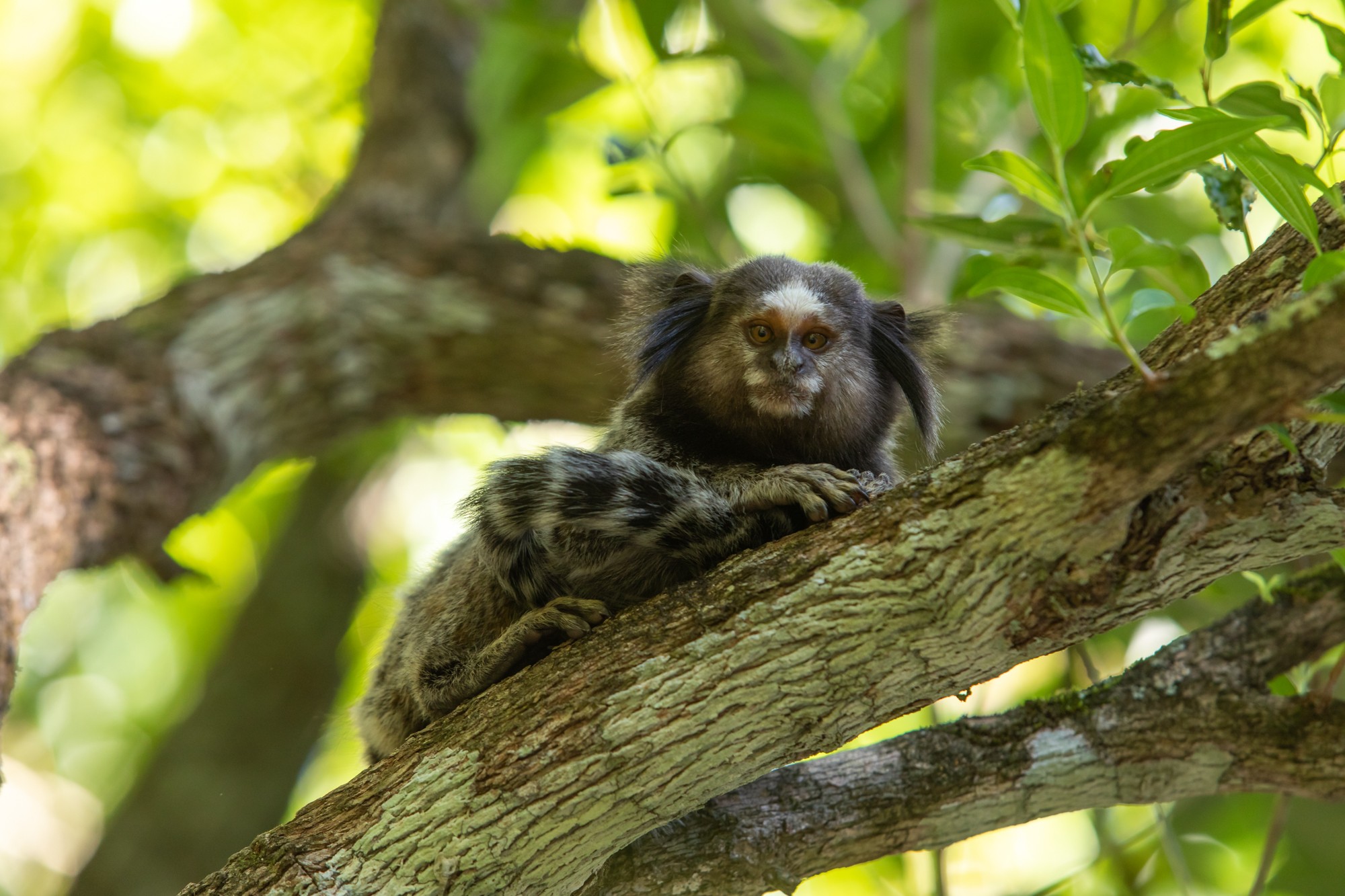
Florianópolis, Brazil, has experienced a significant increase in monkey-related incidents, with 83 cases reported between January 1 and August 3, 2026. This figure already represents approximately 80% of the total 103 cases recorded in 2025, according to the Santa Catarina Health Secretariat. The majority of these incidents involve bites, primarily from marmosets, an exotic species that has adapted well to the island and thrives in urban parks and forests due to easy human interaction. Health officials warn that the perceived cuteness of these animals masks the danger of rabies transmission. Infectologist Magali Chaves Luiz attributes the rise in accidents to deforestation, which pushes marmosets closer to urban areas, and to people feeding the animals. She explained that marmosets descend from trees seeking food, and readily accept offerings from humans, leading to increased dependency and proximity. Luiz emphasized the critical importance of not feeding wild animals and noted that most victims are local residents, not tourists. In the event of a bite, individuals are advised to wash the wound with soap and water, avoid using alcohol, and seek immediate medical attention at a health post or emergency unit. Anyone bitten by a wild animal requires rabies antiserum treatment.
The rise in marmoset-related incidents in Florianópolis highlights a common ecological challenge arising from human encroachment on wildlife habitats and the unintended consequences of human-animal interaction. The feeding of wild animals, while often well-intentioned, disrupts natural foraging behaviors and creates dependency, increasing the likelihood of conflict and disease transmission. This situation underscores the need for robust public education campaigns on wildlife management and the importance of maintaining ecological boundaries. Future strategies should focus on habitat preservation, discouraging direct human feeding of wildlife through clear regulations and enforcement, and ensuring accessible post-exposure prophylaxis for potential rabies cases. Addressing these systemic issues proactively can mitigate risks to both human and animal populations in urbanizing environments.
AI-generated to prompt reflection — not editorial opinion, not advice, not a statement of fact. How this works.
