Monkey Species Identified After Nearly Two Decades of Scientific Mystery
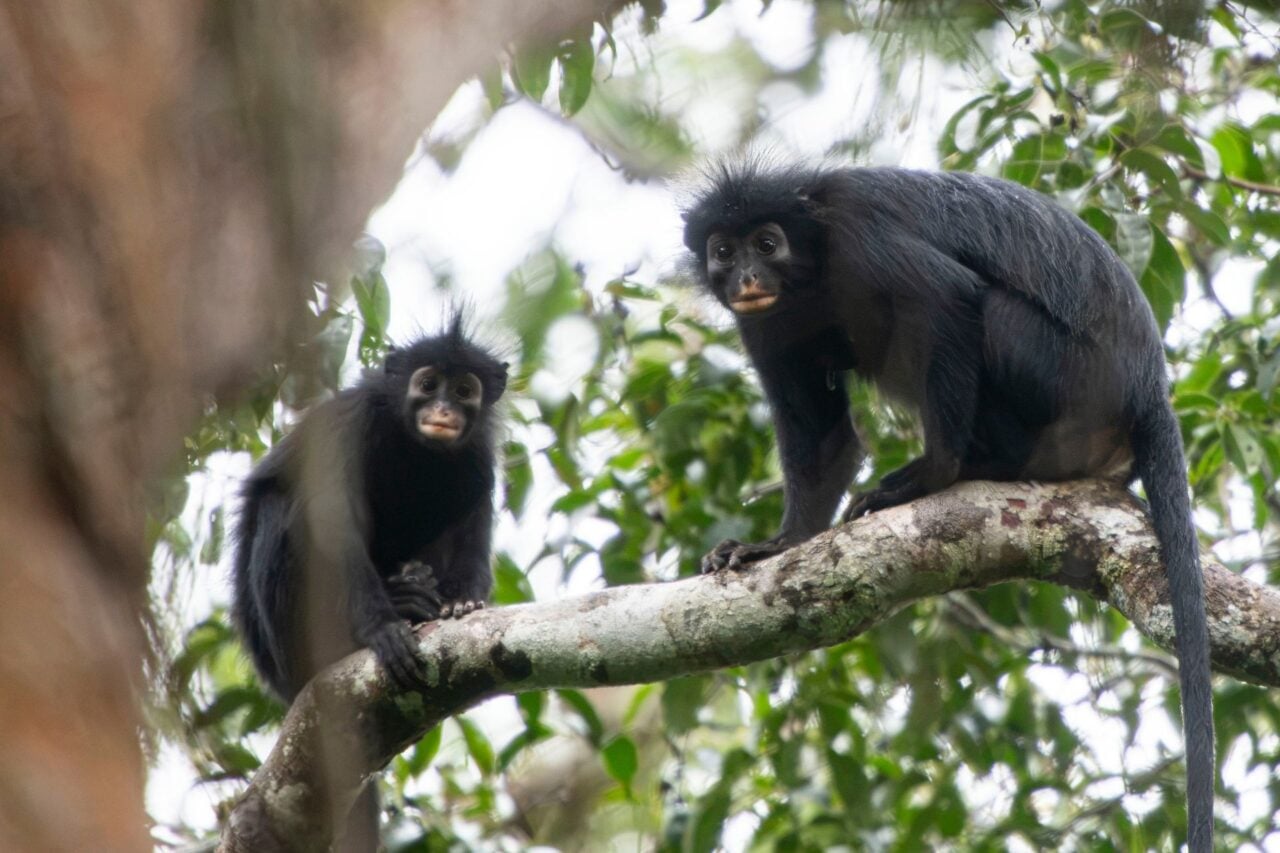
A species of monkey, locally known as 'Likweli' or 'kasaba nkoni,' has finally been identified by scientists after remaining a puzzle for nearly 20 years. The discovery marks the end of a long period of uncertainty for researchers who were unable to classify the primate. The local names suggest a long-standing awareness of the species within its native habitat. This identification process highlights the ongoing challenges and rewards in cataloging Earth's biodiversity. The successful classification is a significant achievement for primatology and conservation efforts. It underscores the importance of continued fieldwork and scientific collaboration in understanding the natural world. Further research will likely focus on the monkey's specific ecological role and conservation status.
The prolonged scientific mystery surrounding this monkey species underscores the vastness of undiscovered biodiversity, even in the 21st century. This situation presents a valuable case study in taxonomic challenges, where local knowledge, once integrated with scientific methodology, can accelerate discovery. The identification process highlights the importance of robust biological surveys and the potential for overlooked species to exist in well-traversed regions. Looking ahead, understanding the ecological niche and population dynamics of this newly identified species will be crucial for its long-term conservation, especially in the face of habitat pressures and climate change.
AI-generated to prompt reflection — not editorial opinion, not advice, not a statement of fact. How this works.