Monkeys Exhibit Geometric Reasoning Similar to Young Children, Study Finds
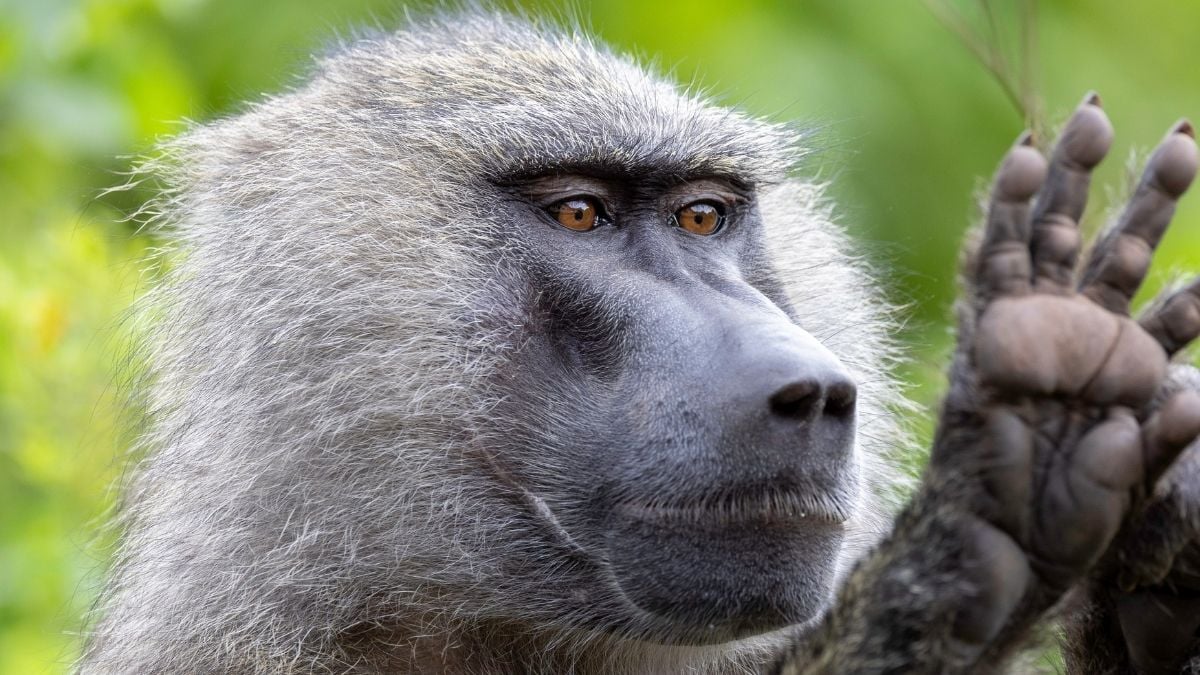
A recent study suggests that monkeys possess geometric reasoning abilities comparable to those of human preschoolers. This finding challenges the notion that abstract thought is a uniquely human trait that emerges suddenly. Instead, the research indicates that rudimentary forms of such cognitive skills may be present in other species. The study's implications extend to our understanding of cognitive evolution, suggesting a more gradual development of abstract thinking. It highlights that complex cognitive functions might have deeper evolutionary roots than previously assumed. The research aims to shed light on the origins of abstract thought and its distribution across the animal kingdom. Further investigation is needed to fully understand the extent and nature of these geometric skills in non-human primates. This discovery could reshape how we view animal intelligence and the development of cognitive abilities.
This research prompts a re-evaluation of the evolutionary trajectory of abstract thought, suggesting that foundational cognitive capacities may be more widely distributed across species than previously understood. By demonstrating geometric reasoning in monkeys akin to human preschoolers, the study shifts the focus from a binary view of abstract thought to a spectrum of cognitive development. This perspective encourages a deeper examination of the selective pressures and environmental factors that may have driven the divergence of cognitive abilities in primate evolution. Understanding these shared cognitive roots could inform future research into artificial intelligence, particularly in developing systems that can learn and reason in more flexible, abstract ways, mirroring biological intelligence.
AI-generated to prompt reflection — not editorial opinion, not advice, not a statement of fact. How this works.