Monsoon 2026: East India Sees Heavy Rain While North India Remains Dry
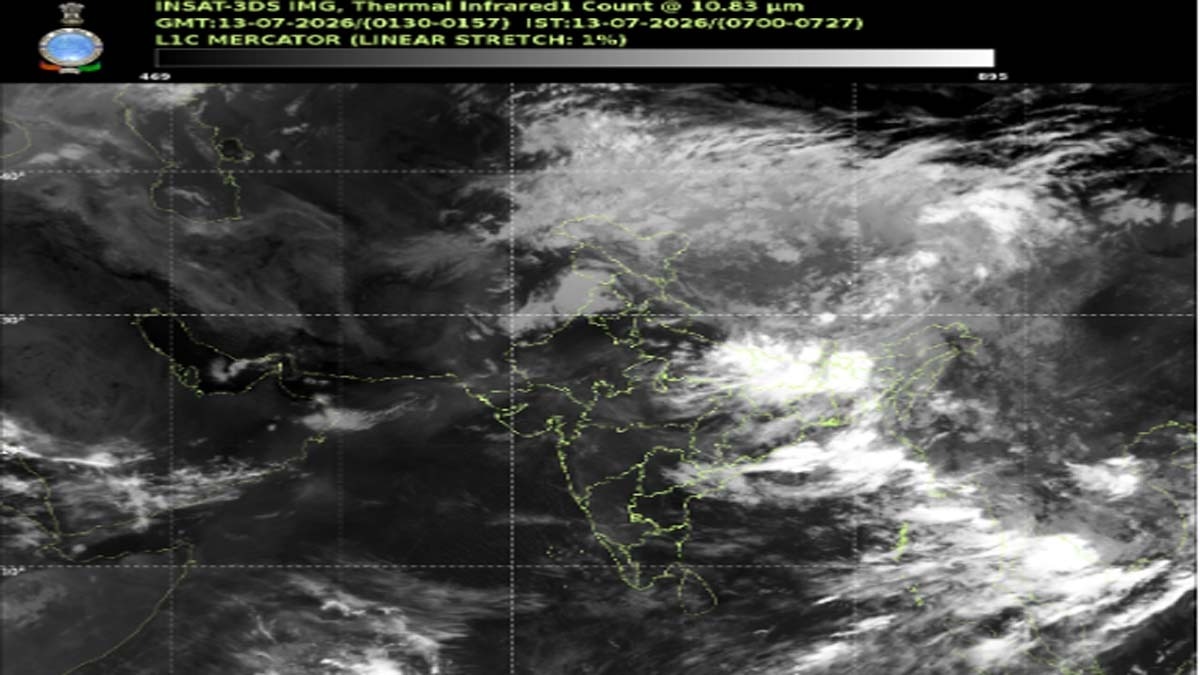
Despite it being July, monsoon rains have been insufficient in many parts of India. An active monsoon system is present, yet most areas in North India are not experiencing cloud cover. In contrast, eastern Indian states including West Bengal, Bihar, Odisha, and eastern Uttar Pradesh are under a heavy rainfall alert. This uneven distribution highlights a significant regional disparity in monsoon performance for 2026. While some areas face potential waterlogging and flooding risks due to intense downpours, others are grappling with drought-like conditions. The situation underscores the unpredictable nature of monsoon patterns and their localized impacts across the country. Authorities are likely monitoring water levels and preparing for potential weather-related challenges in the affected eastern regions.
The current monsoon pattern, with concentrated heavy rainfall in eastern India and dryness in the north, presents a complex challenge for agricultural planning and water resource management. This regional disparity may indicate shifts in atmospheric circulation patterns influenced by climate change, necessitating adaptive strategies for both drought-prone and flood-prone areas. Future infrastructure and agricultural policies will need to account for such extreme weather variability, potentially involving enhanced water storage in the east and improved water conservation techniques in the north. Understanding the long-term implications of these meteorological trends is crucial for ensuring national food security and economic stability.
AI-generated to prompt reflection — not editorial opinion, not advice, not a statement of fact. How this works.