Monsoon Havoc: Landslides, Floods, and Waterlogging Across India
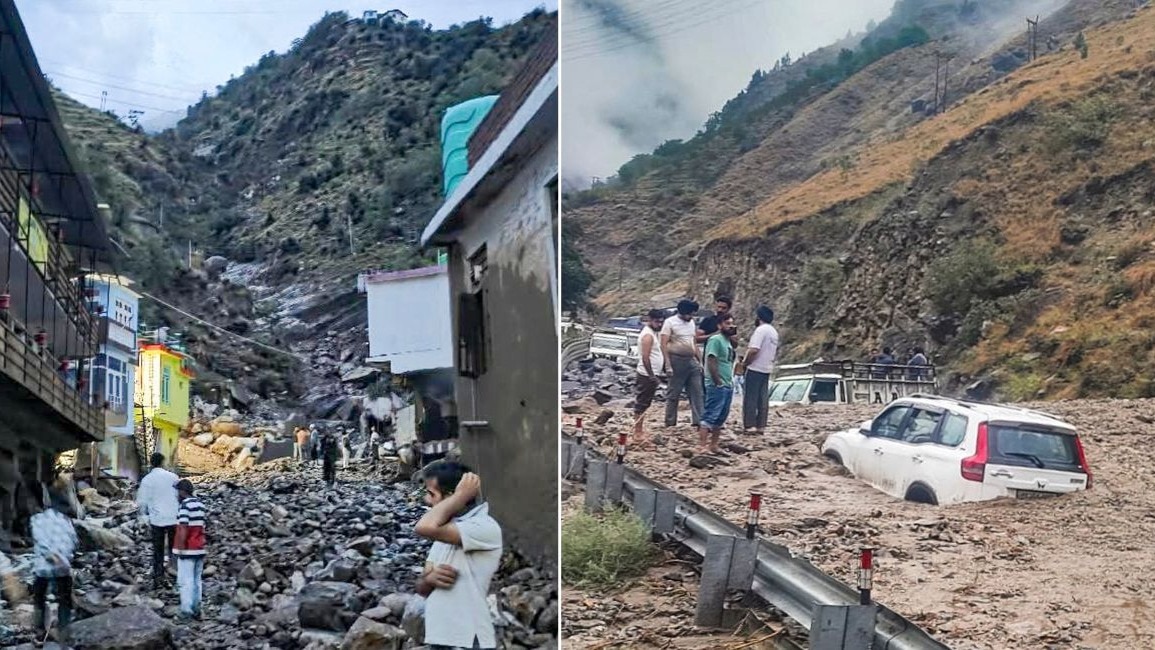
India is currently experiencing severe monsoon rains that have caused widespread devastation across the country. In Himachal Pradesh, regions like Shimla and Kinnaur have been hit by landslides, with walls collapsing due to the heavy rainfall. The union territories of Jammu and Kashmir have also been affected, with flash floods reported in the Doda and Kishtwar districts. Mumbai has seen trees falling due to the intense downpour, exacerbating the challenges faced by residents. Meanwhile, Delhi, Noida, and Gurugram are grappling with significant waterlogging, leading to traffic disruptions and increased difficulties for commuters. In Pune, relief and rescue operations are underway amidst a red alert issued for the area. These events highlight the severe impact of the monsoon season on various parts of India, with authorities working to manage the ongoing crisis.
The current monsoon season in India underscores a recurring vulnerability to extreme weather events, exacerbated by potential infrastructure and urban planning challenges. While monsoons are vital for the country's agriculture, their increasingly destructive nature, as evidenced by landslides, flash floods, and urban waterlogging, points to a need for enhanced disaster preparedness and climate resilience strategies. The frequency and intensity of such events may reflect broader environmental shifts, necessitating a review of land-use policies, building codes, and early warning systems to mitigate future risks and protect lives and property. Addressing these systemic issues proactively is crucial for adapting to the evolving climate landscape and ensuring the safety of affected populations.
AI-generated to prompt reflection — not editorial opinion, not advice, not a statement of fact. How this works.