Monsoon Rains in India Cause at Least 21 Deaths
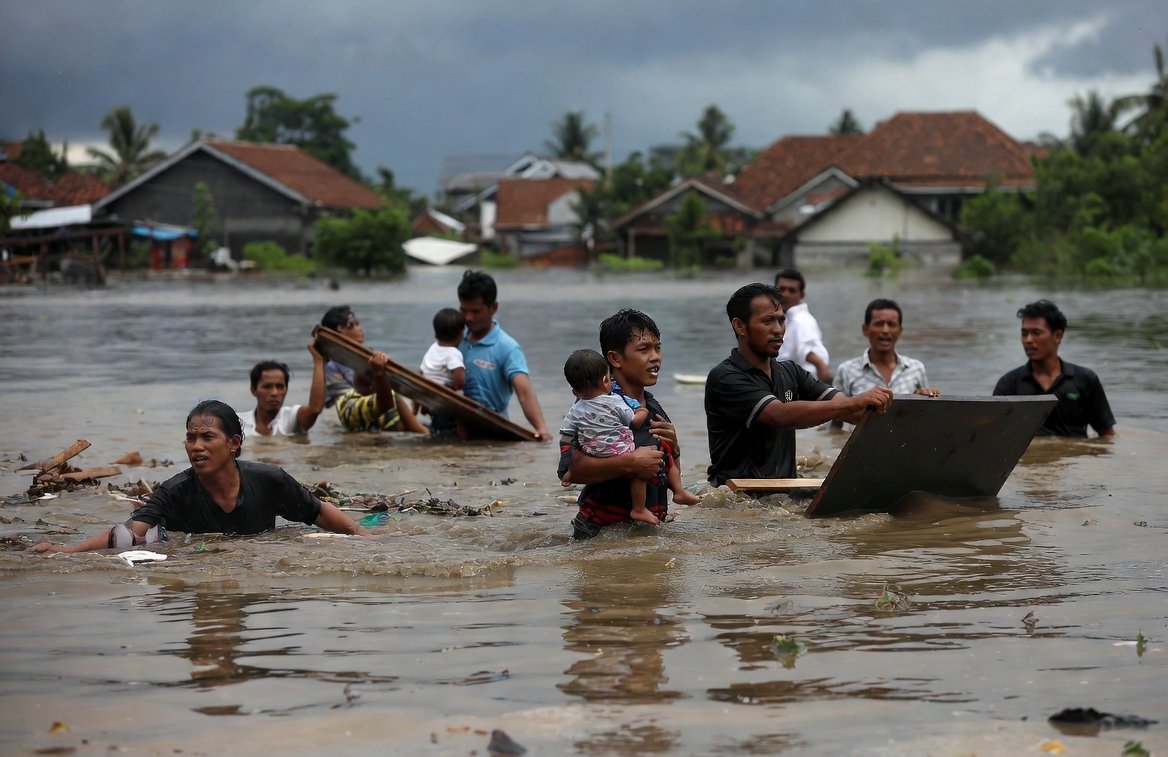
Monsoon rains have caused significant devastation across India, resulting in the deaths of at least 21 people. The heavy rainfall has led to widespread flooding and landslides in various regions of the country. Authorities are currently assessing the full extent of the damage and coordinating rescue and relief efforts. The monsoon season, which typically runs from June to September, brings essential rainfall for agriculture but also poses risks of natural disasters. This year's early or intensified downpours have exacerbated these risks, impacting communities and infrastructure. Emergency services are working tirelessly to reach affected areas and provide assistance to those displaced or in need. The government has pledged support for the victims and is focusing on immediate relief measures, including temporary shelters and essential supplies. Further updates on the casualty count and the overall impact are expected as the situation develops.
The recurring impact of monsoon rains in India highlights a persistent challenge in balancing agricultural necessity with disaster preparedness. While essential for the economy, the annual downpours necessitate robust infrastructure and early warning systems to mitigate loss of life and property. The current event underscores the ongoing need for investment in climate-resilient development and effective urban planning to manage water flow and prevent landslides in vulnerable areas. Future strategies should focus on enhancing community resilience through better preparedness programs and potentially exploring innovative engineering solutions to adapt to increasingly unpredictable weather patterns driven by climate change.
AI-generated to prompt reflection — not editorial opinion, not advice, not a statement of fact. How this works.