Monsoon Rains Kill 18 in Khyber Pakhtunkhwa; Roads Blocked
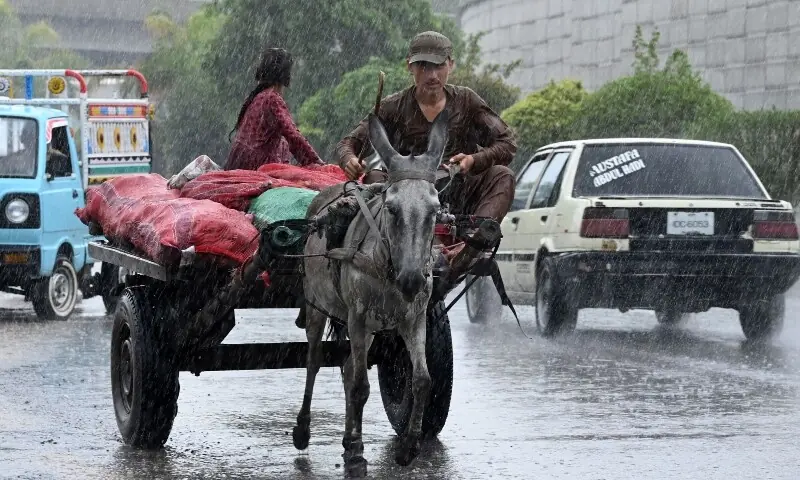
The ongoing monsoon spell and flash floods in Pakistan's Khyber Pakhtunkhwa (KP) province have resulted in at least 18 fatalities, with the latest deaths occurring in Upper South Waziristan due to a roof collapse. Four individuals from the same family perished in this incident in Bangiwala village, located near Sararogha tehsil, during heavy rainfall. Earlier reports from the Provincial Disaster Management Authority (PDMA) indicated 14 deaths and 19 injuries across KP since July 19, bringing the total death toll between July 19 and July 22 to 18. The PDMA also reported that 22 houses sustained partial damage, and six were completely destroyed. Despite these incidents, water levels in rivers and streams across the province are currently normal, and district administrations have been alerted. Routine life in Lower South Waziristan has been disrupted, with landslides blocking the critical Wana-Gomal Zam Road, a key trade and communication route. This blockage, caused by falling boulders and damaged infrastructure like culverts and bridges, has made travel difficult and dangerous. Tribal elders have appealed to the Prime Minister for urgent road reconstruction, noting its pre-existing poor condition. Flash floods have also affected agricultural land in several areas of Lower South Waziristan, with high water flows reported in the Tanai and Spin streams. Meanwhile, Federal Minister Ahsan Iqbal chaired a meeting at the National Disaster Management Authority (NDMA) to review national preparedness for the monsoon season, emphasizing round-the-clock monitoring and strict instructions for all relevant departments to remain on high alert.
The recurring pattern of fatalities and infrastructure damage during monsoon seasons in Khyber Pakhtunkhwa highlights systemic challenges in disaster preparedness and response. While authorities are reviewing preparedness and issuing alerts, the persistent impact on critical infrastructure like the Wana-Gomal Zam Road suggests a need for more robust, long-term solutions beyond immediate emergency measures. The reliance on tribal elders to publicly appeal for road repairs indicates potential gaps in proactive maintenance and communication channels. Future strategies should focus on climate-resilient infrastructure development, improved early warning systems integrated with community outreach, and sustained investment in road networks, particularly in vulnerable regions. Addressing the underlying issues of infrastructure maintenance and disaster mitigation will be crucial for safeguarding lives and livelihoods in the face of increasingly severe weather events driven by climate change.
AI-generated to prompt reflection — not editorial opinion, not advice, not a statement of fact. How this works.