Monsoon Rains Suddenly Disappear, Raising Economic Concerns
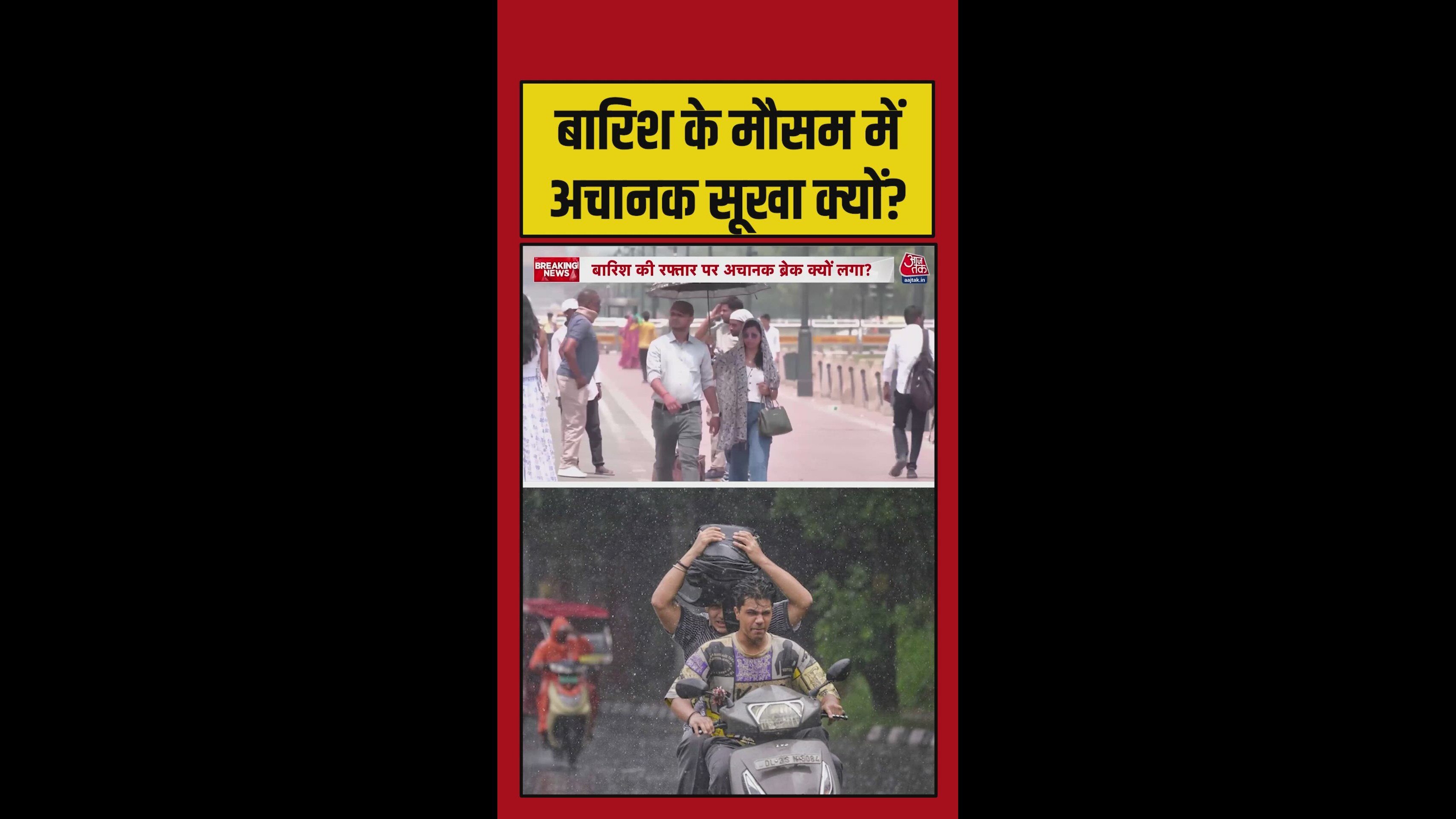
The monsoon rains, crucial for India's agricultural sector, have unexpectedly diminished. This reduction in rainfall signifies more than just a potential water shortage; it marks the beginning of a vicious cycle that could significantly impact the nation's economy. When rainfall decreases, crop yields are adversely affected, leading to a decline in overall agricultural production. This outcome not only presents challenges for farmers but also has a direct bearing on the country's Gross Domestic Product (GDP). The decrease in agricultural output can trigger a cascade of economic consequences, affecting food prices, rural incomes, and potentially contributing to inflation. The government and agricultural bodies will likely need to monitor the situation closely and consider mitigation strategies to address the potential economic fallout.
The unexpected decline in monsoon rainfall presents a critical challenge to India's agrarian economy, which heavily relies on predictable monsoon patterns. This situation highlights the vulnerability of the agricultural sector to climate variability and the interconnectedness of environmental health with economic stability. The potential decrease in crop yields and its subsequent impact on GDP underscore the need for robust climate adaptation strategies and diversified economic policies. Future planning should consider investments in water management infrastructure, drought-resistant crop varieties, and potentially exploring non-agricultural economic drivers to buffer against such climatic shocks. Understanding the long-term implications of climate change on monsoon systems is paramount for ensuring sustained economic growth and food security in the coming decade.
AI-generated to prompt reflection — not editorial opinion, not advice, not a statement of fact. How this works.