Monsoon Rains Trigger Deadly Floods and Landslides Across Pakistan, Death Toll Reaches 37
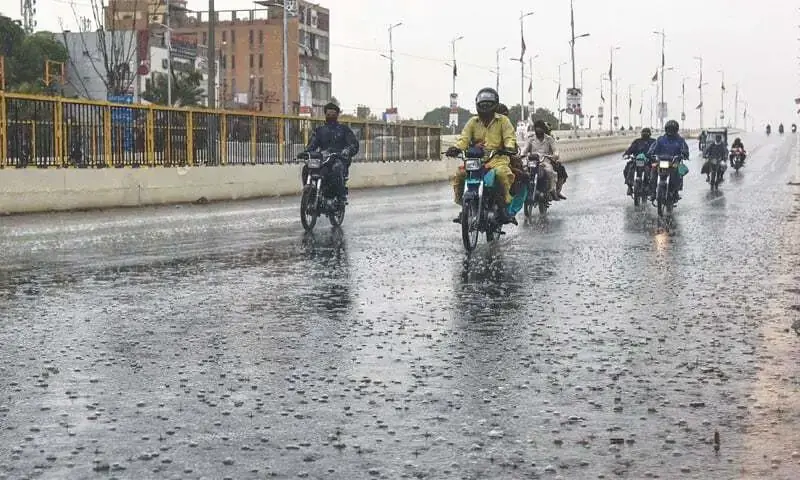
At least 37 people have died in Pakistan due to heavy monsoon rains, flash floods, and landslides that have devastated parts of Khyber Pakhtunkhwa (KP), Gilgit-Baltistan (GB), Azad Jammu and Kashmir (AJK), and Punjab. The rainfall, which began on July 19, has caused extensive damage to homes, crops, livestock, and vital infrastructure, including roads and bridges. In Punjab, Gujranwala experienced record rainfall of 245mm, with Lahore receiving 123mm and Sialkot 139mm. The provincial disaster management authority (PDMA) reported that 17 deaths in Punjab were primarily due to building collapses, lightning strikes, and electrocution. Meanwhile, Khyber Pakhtunkhwa recorded 20 fatalities, including two men swept away by the Tochi River in North Waziristan and a family of four in Upper South Waziristan whose house roof collapsed. Landslides in KP, GB, and AJK have blocked key communication routes, such as the Wana-Gomal Zam Road, and damaged agricultural land. In Gilgit-Baltistan, a cloudburst in Astore district caused floods and landslides, damaging homes, infrastructure, and closing the Astore Valley Road. The Pakistan Meteorological Department forecasts continued rain in KP until July 23 and warns of potential glacial lake outburst floods in GB until July 26. Water levels in the Chenab River have risen significantly, with moderate flood levels reported at Marala, Khanki, and Qadirabad headworks, though authorities have dismissed social media claims of a massive flood wave. Relief operations are underway in affected areas, and residents are urged to remain alert.
The severe weather events underscore Pakistan's vulnerability to climate change impacts, particularly intensified monsoon patterns. The damage to infrastructure and loss of life highlight the urgent need for robust disaster preparedness and climate-resilient development strategies. Cross-border water management, especially concerning excess water releases from India into rivers like the Chenab, presents a complex challenge requiring coordinated bilateral engagement to mitigate downstream risks. Future planning must integrate advanced meteorological forecasting and early warning systems with community-level resilience building to protect populations and assets from increasingly frequent and intense weather-related disasters.
AI-generated to prompt reflection — not editorial opinion, not advice, not a statement of fact. How this works.