Monsoon Rains Trigger Fatalities and Flood Warnings Across Pakistan
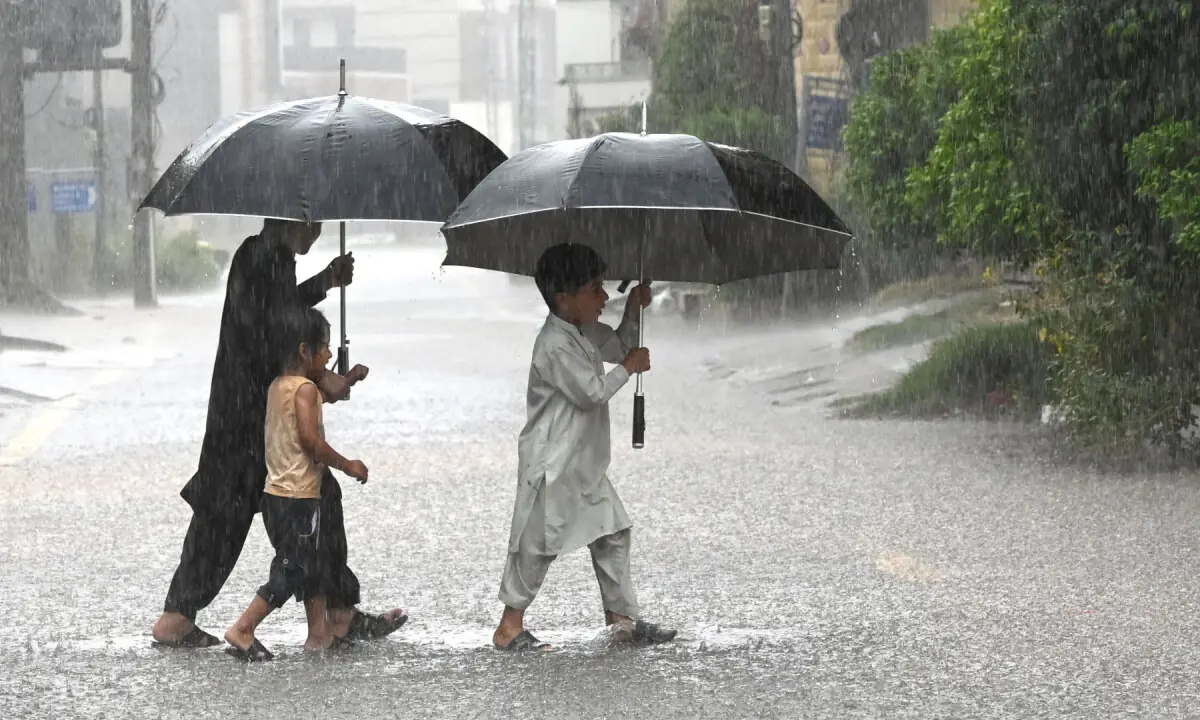
Torrential monsoon rains in Khyber Pakhtunkhwa (KP) province have resulted in 12 deaths and 18 injuries over the past three days, according to the Provincial Disaster Management Authority (PDMA). The fatalities include five men, two women, and five children, with half of the deaths occurring in Khyber district where a vehicle carrying Afghan families was swept away. Mardan reported two child fatalities, and Peshawar recorded one male death. The region also experienced widespread power disruptions affecting 148 electricity feeders, primarily in Peshawar, Mardan, Khyber, Swabi, and Swat, with restoration efforts hampered by continuous rainfall.
Concurrently, the National Disaster Management Authority (NDMA) has issued a nationwide alert for flash floods, urban flooding, and landslides expected between July 21 and 24. This warning encompasses several provinces, including KP, Gilgit-Baltistan (GB), Azad Jammu and Kashmir (AJK), Punjab, and northeastern Balochistan, with specific river systems and low-lying urban areas identified as high-risk zones. A separate landslide alert has been issued for mountainous regions in KP's Chitral and GB from July 21 to 23, following a recent incident in GB where three workers died due to a landslide. Authorities are on high alert, with directives to deploy emergency teams and implement preventive measures in vulnerable areas.
The current monsoon season highlights Pakistan's persistent vulnerability to extreme weather events, exacerbated by climate change. The frequency and intensity of such events necessitate a robust, long-term strategy for disaster preparedness and infrastructure resilience, moving beyond reactive responses. Investments in early warning systems, climate-resilient infrastructure, and community-based disaster management programs are critical. Furthermore, addressing the underlying causes of vulnerability, such as deforestation and unplanned urbanization in flood-prone areas, is essential for mitigating future losses and ensuring sustainable development in the face of escalating environmental challenges.
AI-generated to prompt reflection — not editorial opinion, not advice, not a statement of fact. How this works.