Monsoon Season Poses Risks for Asthma Patients in Nepal; Prevention Tips Offered
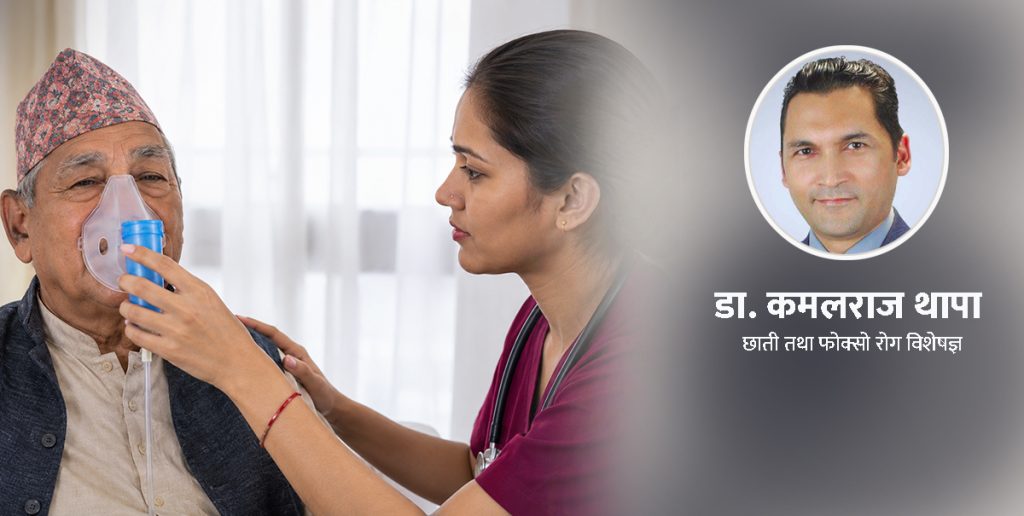
Nepal is currently experiencing an active monsoon season, which brings increased rainfall, humidity, temperature fluctuations, and airborne particles like dust, mold spores, and pollen. These environmental factors can exacerbate respiratory issues for the general population. However, individuals with asthma, also known as bronchial asthma, face particularly challenging conditions during this period. Even asthma that is typically well-controlled can suddenly worsen with the changing weather patterns. Symptoms such as difficulty breathing can become more pronounced. The monsoon season presents a heightened risk for asthma patients, necessitating proactive measures to manage their condition and prevent severe exacerbations. Public health advisories are crucial to educate affected individuals on how to mitigate these risks and maintain their well-being throughout the monsoon months.
The monsoon season in Nepal presents a recurring public health challenge, particularly for individuals with pre-existing respiratory conditions like asthma. The combination of environmental factors such as increased humidity, temperature shifts, and airborne allergens creates a predictable exacerbation cycle. This highlights the need for robust public health infrastructure capable of disseminating timely information and providing accessible preventive care. Future preparedness strategies should consider integrating climate-sensitive health advisories into routine healthcare services, potentially leveraging digital platforms to reach vulnerable populations more effectively. Addressing these seasonal health risks proactively can reduce hospitalizations and improve the overall quality of life for those affected.
AI-generated to prompt reflection — not editorial opinion, not advice, not a statement of fact. How this works.