Monte Cristo Bus Drivers Strike for Third Day, Block Major Belém Avenue
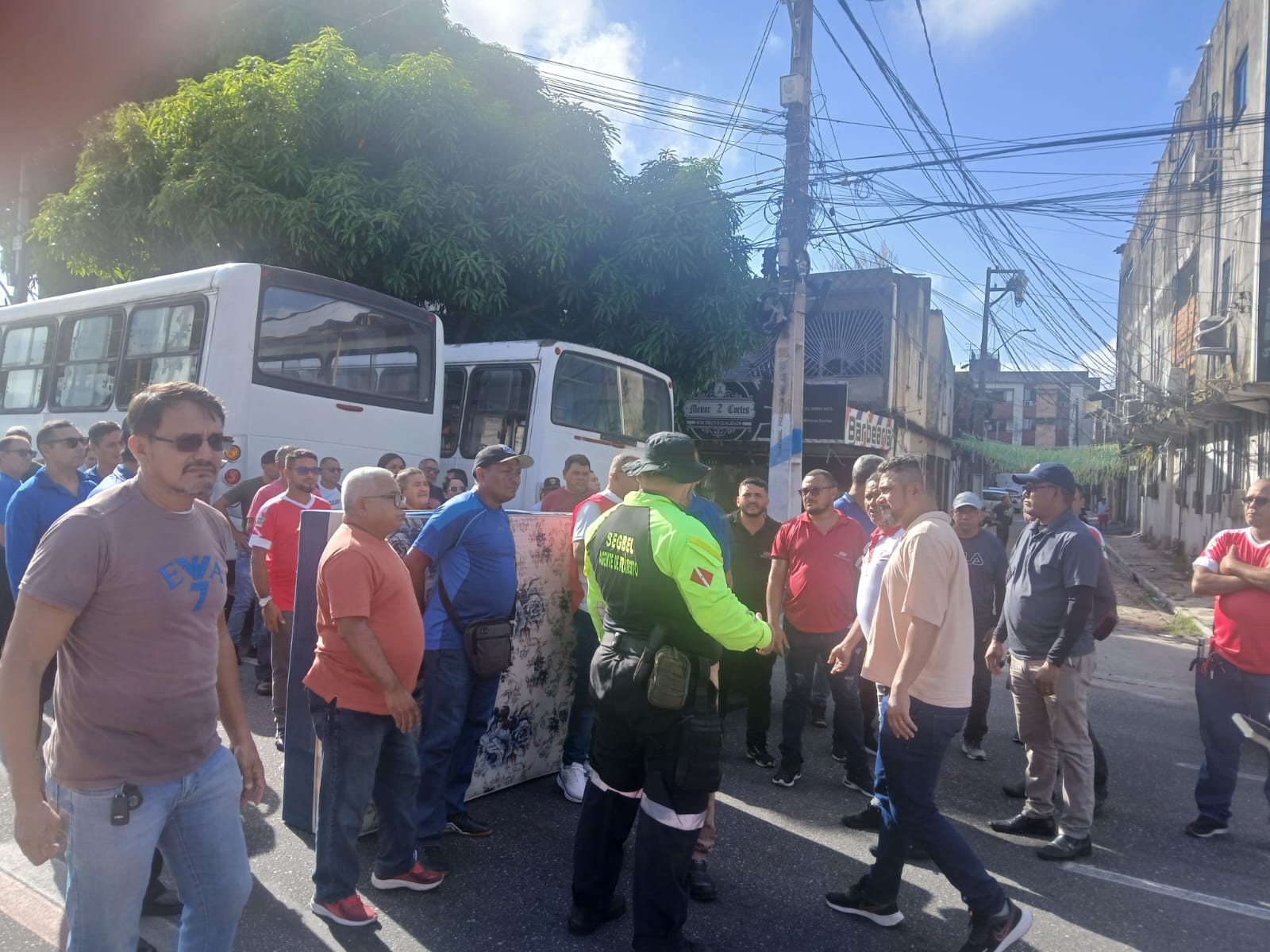
Bus drivers from the Monte Cristo company in Belém, Brazil, continued their strike for a third day on Wednesday, April 22nd, significantly disrupting public transportation. The protest escalated as workers blocked a section of Almirante Barroso Avenue, a key city thoroughfare, causing considerable traffic congestion and delays for commuters. At least eight bus lines experienced service interruptions due to the blockade, which primarily affected traffic heading towards Entroncamento, starting from Enéas Pinheiro street. For a period, only the BRT dedicated lane was intermittently opened for vehicles. Following the demonstration on Almirante Barroso, the striking drivers moved to Senador Lemos Avenue, in front of the Municipal Secretariat of Security, Public Order, and Mobility (Segbel). There, only one lane remained open, forcing drivers to seek alternative routes. The drivers are demanding payment for three months of overdue salaries, as well as outstanding meal allowances and vacation pay. The union representing the transport workers, Sintrebel, stated that the strike is a direct result of the company's failure to pay these labor rights. Segbel indicated that salary and benefit issues are matters between Monte Cristo and its employers' union, but confirmed that the secretariat has initiated proceedings to revoke the company's service orders. This process is advanced, and Segbel is identifying other transport companies to take over the affected routes, aiming to ensure service continuity and minimize user impact during the transition. The Employers' Union for Passenger Transport Companies of Belém (Setransbel) had not yet responded to requests for comment.
The prolonged strike by Monte Cristo bus drivers highlights a critical breakdown in labor relations and corporate governance within Belém's public transport sector. The drivers' demand for up to four months of unpaid wages and benefits points to potential severe financial distress or mismanagement by the company. Segbel's initiation of service order revocation and the search for replacement operators suggest a systemic failure to ensure service continuity, a core responsibility of public transportation regulators. This situation underscores the vulnerability of essential public services to private operator financial instability and the need for robust oversight mechanisms. Looking ahead, such disruptions could accelerate discussions around public-private partnership models, municipalization of services, or stricter performance bonds for transport concessions to safeguard passenger rights and service reliability in the face of economic pressures.
AI-generated to prompt reflection — not editorial opinion, not advice, not a statement of fact. How this works.