Montenegrin Council Discusses Accessibility and Mobility for Persons with Disabilities
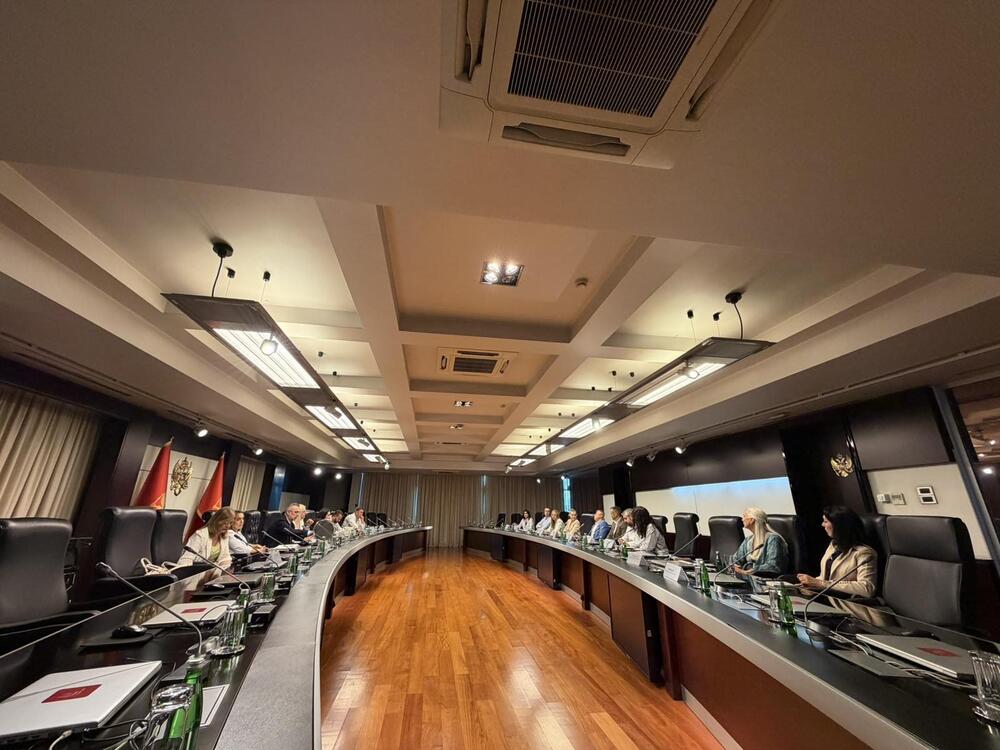
The Council for Rights of Persons with Disabilities in Montenegro held a session to discuss crucial aspects of accessibility and mobility. During the discussion, it was emphasized that accessibility extends beyond merely removing architectural barriers. It was highlighted that ensuring mobility is a fundamental prerequisite for the independence, dignity, equal opportunities, and full social inclusion of individuals with disabilities. The council's statement underscored the multifaceted nature of accessibility, stressing that physical access is only one component of a broader strategy for empowering persons with disabilities.
The council's focus on mobility as a core component of accessibility reflects a systemic understanding of inclusion. This approach recognizes that true integration requires addressing not only physical infrastructure but also the logistical and personal support necessary for individuals with disabilities to navigate their environment independently. Over the next decade, advancements in assistive technologies and smart city initiatives could significantly enhance mobility solutions, potentially reducing reliance on traditional architectural modifications. However, the challenge lies in ensuring equitable access to these innovations and integrating them within existing urban planning frameworks to avoid creating new digital or logistical divides.
AI-generated to prompt reflection — not editorial opinion, not advice, not a statement of fact. How this works.