Montenegrin Government Could Lower Fuel Prices, But Needs Authority
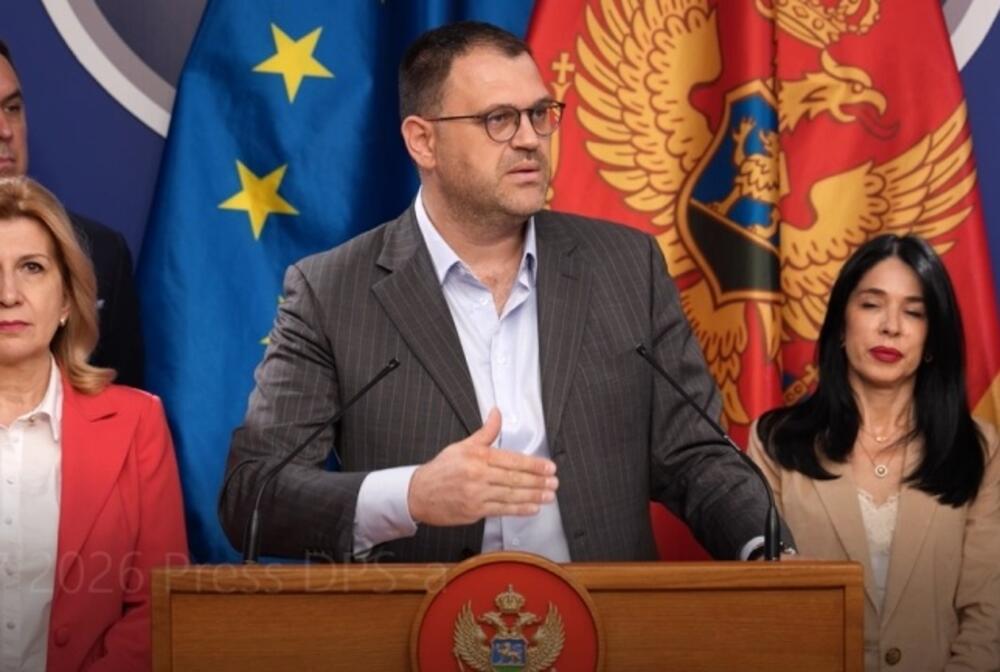
A Member of Parliament from the Democratic Party of Socialists (DPS), Andrija Anđušić, stated that the Montenegrin government could significantly lower fuel prices starting tomorrow if it wished to do so. However, he indicated that the government requires certain authorities to implement such a measure. Anđušić emphasized the simplicity of the situation, suggesting that the political will is the primary determinant for price reduction. He did not specify the exact authorities needed or the mechanism through which the government would achieve the price decrease. The statement implies that current regulations or market conditions, influenced by government policy, prevent immediate price adjustments.
The assertion that the government possesses the immediate ability to lower fuel prices highlights a potential tension between executive authority and market forces. If the government can unilaterally reduce prices, it suggests existing regulatory frameworks or direct interventions are available. This raises questions about the government's prior decisions not to utilize these powers, potentially indicating other policy priorities or concerns about market stability. Examining the specific authorities required and the economic implications of such intervention, such as potential impacts on fuel suppliers and consumer demand, would provide a clearer understanding of the trade-offs involved.
AI-generated to prompt reflection — not editorial opinion, not advice, not a statement of fact. How this works.