Montenegrin Minister Vows Institutions Will Continue Work Despite Opposition Questions
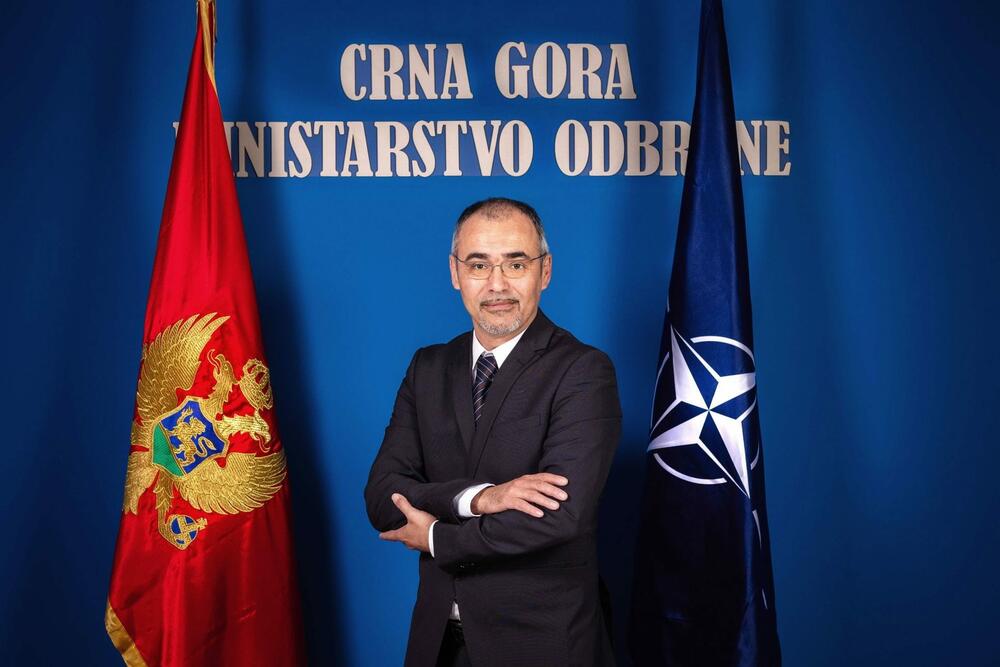
Montenegrin Minister of Justice Andrej Milović stated that the government has no intention of responding to questions posed by opposition member Dragan Radulović. Milović dismissed Radulović's actions as a "panic hyperproduction of criminal complaints" that would not be helpful. He asserted that Montenegrin institutions would "relentlessly continue their work" regardless of such attempts. The minister emphasized that the focus remains on the functioning of state bodies and the implementation of their duties. This exchange highlights ongoing political tensions and differing approaches to oversight and accountability within the Montenegrin government. Milović's statement suggests a firm stance against what he perceives as politically motivated obstructionism. The Ministry of Justice appears committed to proceeding with its agenda without being sidetracked by opposition inquiries.
This situation reflects a common dynamic where executive branches assert their operational autonomy against legislative or public scrutiny. The minister's framing of opposition inquiries as "panic hyperproduction" suggests a strategy to delegitimize challenges and maintain control over the narrative. From a governance perspective, the tension between institutional work and accountability to elected representatives is a crucial aspect of democratic systems. The minister's emphasis on "relentlessly continuing work" could be interpreted as prioritizing administrative momentum, while the opposition's role is to ensure transparency and check potential overreach. The long-term implications involve balancing efficient governance with robust democratic oversight, a challenge that will likely intensify as technological and societal changes demand greater institutional adaptability and public trust.
AI-generated to prompt reflection — not editorial opinion, not advice, not a statement of fact. How this works.