Montenegrin Official Denounces Attempt to Erase Historical Figure's Name
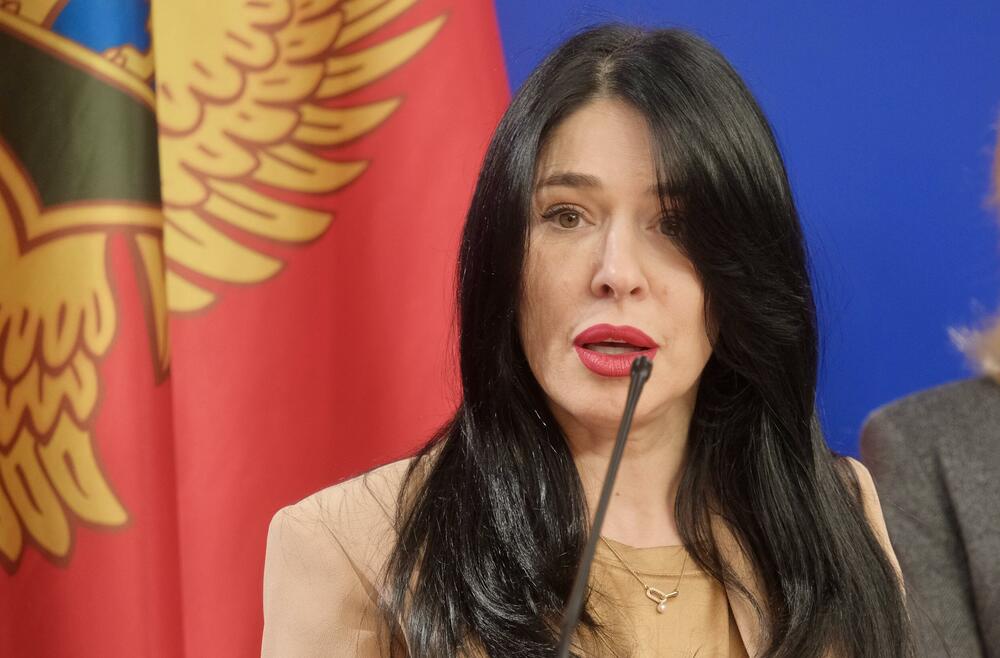
A government official has strongly condemned an attempt to remove the name Radosav Ljumović from a public space, describing it as a dangerous effort to revise history and shape a new collective consciousness. The official voiced concern that such actions represent a deliberate attempt to alter the historical narrative and influence public perception. This move is seen as an attack on established historical facts and a bid to impose a different understanding of the past. The official's statement highlights the potential for such revisions to create confusion and division regarding national identity and historical memory. The controversy underscores a broader debate about how historical figures and events are commemorated and interpreted in the present day. The intention behind erasing the name is perceived as an effort to rewrite a chapter of the nation's history. This action is viewed not just as a symbolic gesture but as a significant political and cultural maneuver. The official's strong reaction suggests that the name Radosav Ljumović holds considerable historical or symbolic weight. The broader implications for historical education and public discourse are significant.
This event highlights the ongoing tension between preserving historical narratives and adapting them to contemporary societal values or political agendas. The act of renaming or erasing names from public spaces is often a proxy for broader ideological battles over national identity and historical interpretation. Such actions can be driven by a desire to distance a society from controversial aspects of its past or to elevate figures aligned with current political ideologies. However, attempts to unilaterally revise history can lead to societal fragmentation and undermine trust in public institutions if not handled through transparent and inclusive processes. The long-term challenge lies in fostering a shared understanding of history that acknowledges complexity and avoids erasure, ensuring that future generations can engage with a comprehensive and nuanced past.
AI-generated to prompt reflection — not editorial opinion, not advice, not a statement of fact. How this works.