Montenegrin Official Rejects Foreign Interference in National Decisions
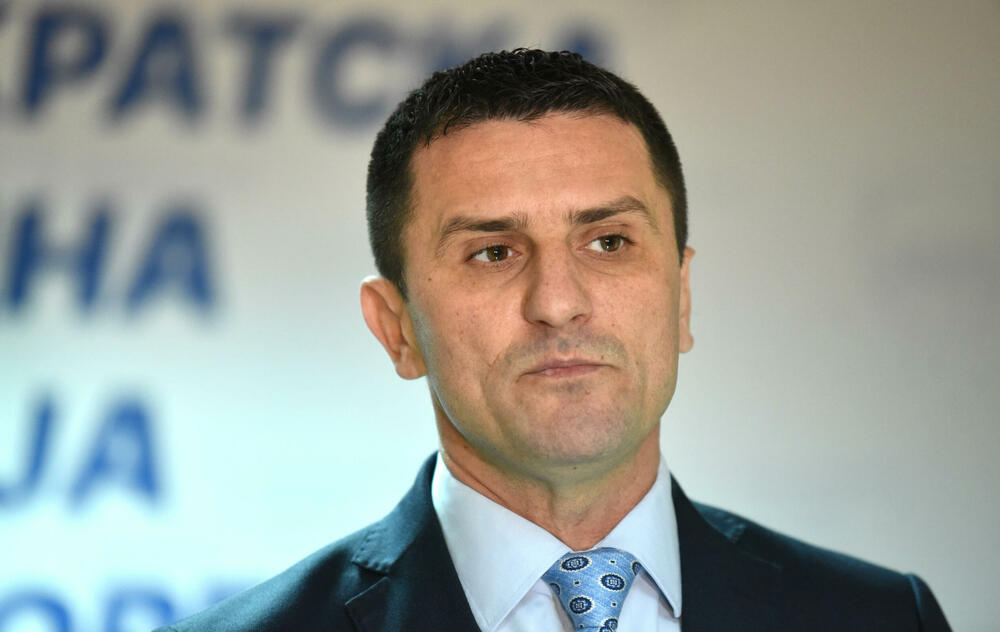
A Montenegrin official, Zogović, has stated that Montenegro cannot be managed from Zagreb. He asserted that any attempts to dictate Montenegro's decision-making through blackmail, pressure, or political conditioning demonstrate a serious underestimation of its citizens. Zogović emphasized that the country's autonomy and the will of its people are paramount. He made these remarks in response to perceived external influences on Montenegro's internal affairs. The official's statement underscores a commitment to national sovereignty and self-determination. He implied that such external pressures are counterproductive and disrespectful to the Montenegrin populace. The core message is a firm stance against foreign meddling in domestic policy and governance.
This statement reflects a common theme in post-Yugoslav nations asserting national sovereignty against perceived external influence. The rhetoric of resisting 'blackmail' and 'pressure' from external capitals, such as Zagreb, taps into nationalistic sentiments and historical grievances. From a governance perspective, such pronouncements can be seen as an effort to consolidate domestic political power by framing external actors as adversaries. The underlying dynamic likely involves complex geopolitical considerations and the ongoing negotiation of regional influence. The assertion of citizen agency serves to legitimize the current government's stance and potentially rally domestic support by appealing to national pride and independence.
AI-generated to prompt reflection — not editorial opinion, not advice, not a statement of fact. How this works.