Montenegrin Parliament Faces Scrutiny Over Delayed Judicial Appointments
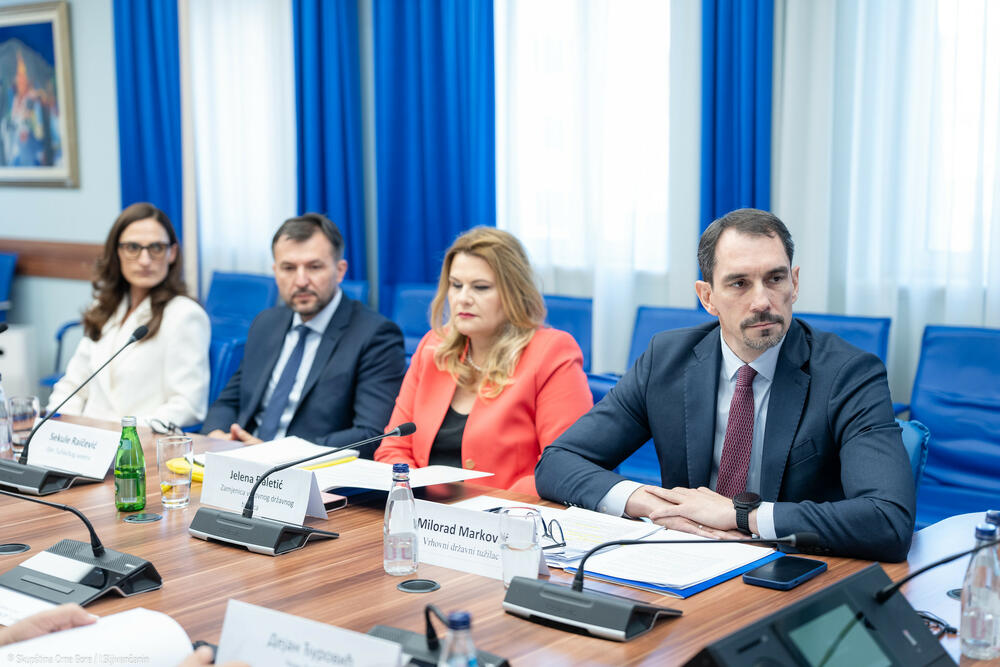
Montenegrin Members of Parliament are awaiting concrete answers regarding the appointment of the Supreme State Prosecutor, Milorad Marković. The current situation is a consequence of a "tied trade" that occurred two and a half years ago, where the appointment of the Supreme Prosecutor was linked to accelerated EU accession negotiations and entry into government. Instead of receiving expected responses, those who supported Marković's appointment are now facing criticism. The delay in fulfilling this crucial judicial role highlights ongoing political complexities and potential unfulfilled promises within Montenegro's governance structure. This situation underscores the challenges in judicial reform and the broader implications for the country's integration process.
The situation in Montenegro reflects a common challenge in political systems where the appointment of key judicial figures becomes entangled with broader geopolitical objectives, such as EU accession. This linkage can create leverage for external actors but also introduce domestic political bargaining that may compromise the independence and efficiency of the judicial branch. The delay in appointing a Supreme State Prosecutor, especially after a prior agreement, suggests potential internal disagreements or a re-evaluation of political priorities. Moving forward, Montenegro faces the systemic challenge of disentangling judicial appointments from political expediency to ensure the rule of law and maintain credibility with both its citizens and international partners. The next decade will likely see increased scrutiny on such governance practices as countries strive for greater transparency and accountability in their institutions.
AI-generated to prompt reflection — not editorial opinion, not advice, not a statement of fact. How this works.