Montenegrin Parliament Sees High Turnover, Taxpayers Footing the Bill
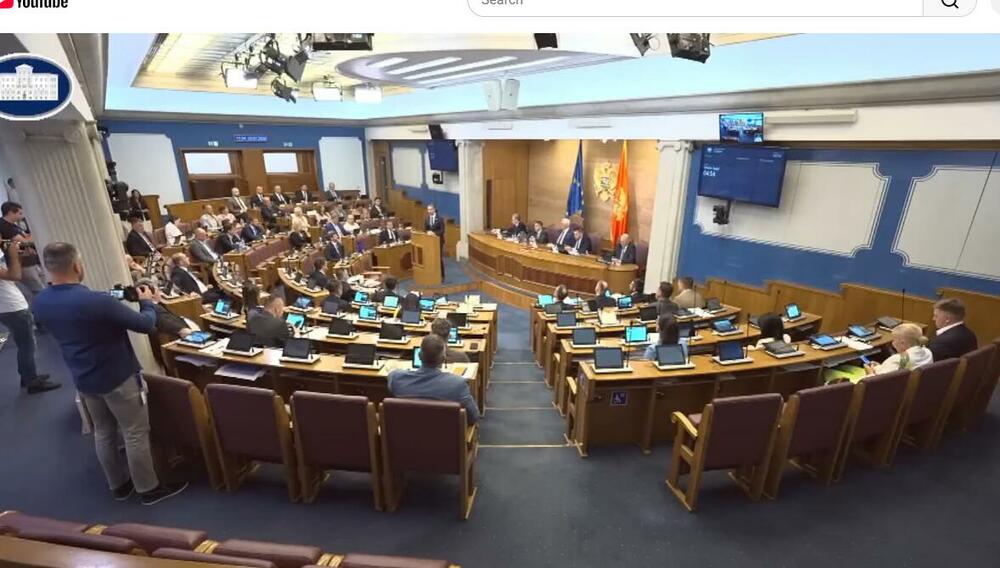
Montenegro's current parliamentary convocation has seen seven Members of Parliament (MPs) leave their seats, with four departing just this month. This significant turnover occurs less than a year before the end of the current mandate. Notably, the Europe Now Movement (GP URA) has seen four different MPs occupy just four parliamentary seats. This frequent change in representation means that taxpayers are effectively paying for more MPs than are currently serving. The high rate of deputies leaving their positions raises questions about the stability and efficiency of the parliamentary system, as well as the financial implications for the state budget. The situation highlights a pattern of political flux within the country's legislative body.
The frequent rotation of MPs within Montenegro's parliament, particularly with four departures in a single month and less than a year remaining in the mandate, suggests potential instability in political alignments or career transitions. Taxpayers bearing the cost for multiple individuals occupying the same seats implies an inefficient use of public funds and a potential disconnect between elected representation and long-term legislative commitment. This dynamic may reflect underlying governance challenges, potentially impacting policy continuity and public trust. Examining the incentives driving these frequent departures could offer insights into improving parliamentary stability and fiscal responsibility for future mandates.
AI-generated to prompt reflection — not editorial opinion, not advice, not a statement of fact. How this works.