Montenegrin PM Spajić Skips Parliamentary Session, Sparking Political Debate
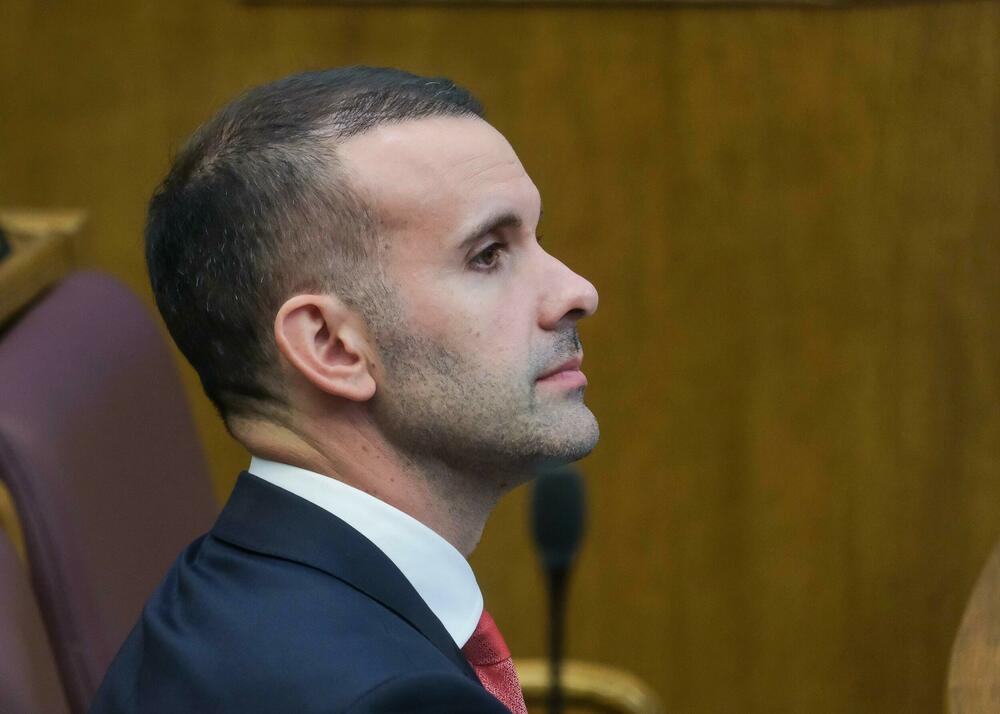
Montenegrin Prime Minister Milojko Spajić's absence from a parliamentary session, where he was expected to address ministers appointed by Assembly Speaker Andrija Mandić, has ignited a political firestorm. Opposition parties decried the move as another humiliation of the Assembly. However, Speaker Mandić defended the Prime Minister, drawing parallels to past practices during the Democratic Party of Socialists (DPS) administration. Branislav Nenezić of the European Alliance asserted that Mandić is now effectively acting as Prime Minister, not Spajić. Boris Marić commented that Spajić's behavior demonstrates a lack of understanding regarding procedural significance and the essence of democracy.
The political maneuvering surrounding Prime Minister Spajić's absence from the parliamentary session highlights potential tensions in governance structures and the adherence to democratic procedures. The invocation of past practices by Speaker Mandić suggests a potential normalization of parliamentary bypasses, which could undermine institutional legitimacy over time. This situation prompts reflection on the balance between executive prerogative and legislative oversight, particularly in the evolving political landscape. The differing interpretations of Spajić's actions underscore the importance of clear procedural norms in fostering public trust and ensuring accountability within democratic systems, especially as Montenegro navigates its path toward European integration.
AI-generated to prompt reflection — not editorial opinion, not advice, not a statement of fact. How this works.