Montenegrin Retailers Circumvent Sunday Ban; Chamber of Commerce Seeks Urgent Changes
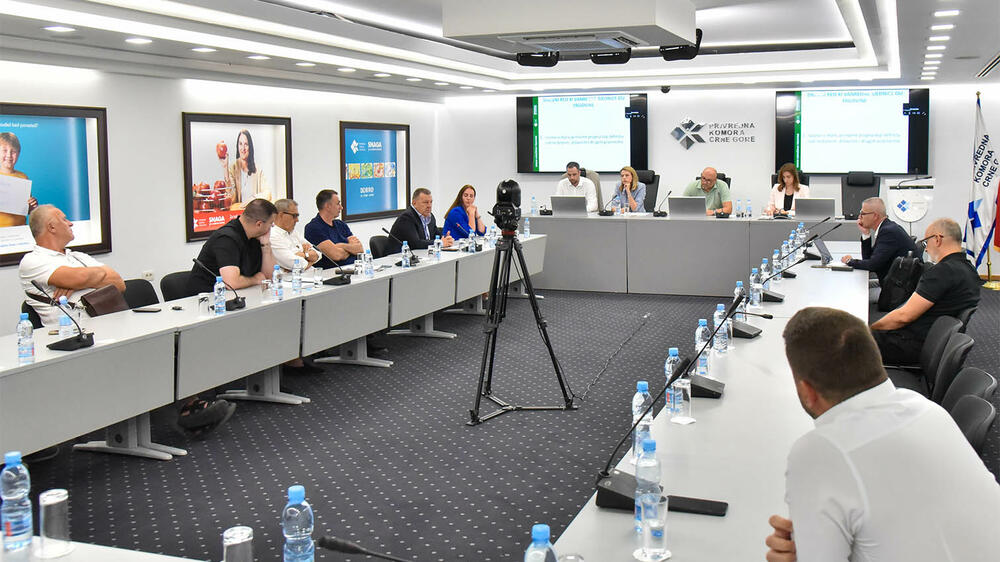
Montenegrin market inspectors are encountering daily attempts to circumvent the law prohibiting Sunday work, according to Marina Radulović, the chief market inspector. She presented the market inspection's experiences with implementing Article 35b of the Law on Internal Trade. Inspectors are particularly observing the misuse of the status of kiosks, specialized stores, and other establishments that are legally exempt from the ban. The Chamber of Commerce of Montenegro (PKCG) is now calling for urgent amendments to the existing legislation to address these circumvention tactics. The current situation highlights challenges in enforcing the Sunday trading ban effectively, as businesses exploit loopholes in the law. The PKCG's demand for immediate legislative changes underscores the growing pressure to resolve these enforcement issues. The ongoing debate reflects a broader discussion about work-life balance, consumer rights, and the economic impact of retail operations on Sundays in Montenegro.
The reported circumvention of Montenegro's Sunday trading ban by retailers highlights a common tension between regulatory intent and market adaptability. Businesses, driven by profit motives and competitive pressures, often identify and exploit legal loopholes. The market inspection's findings suggest that the current legal framework, specifically Article 35b of the Law on Internal Trade, may contain ambiguities or insufficient enforcement mechanisms regarding exemptions for kiosks and specialized stores. The Chamber of Commerce's call for urgent amendments indicates a recognition of these systemic weaknesses. Future legislation could benefit from clearer definitions of exempted entities and potentially more robust oversight to ensure the law's objectives, such as ensuring worker rest, are met without unduly stifling legitimate economic activity. This situation also prompts consideration of evolving consumer habits and the potential for a more flexible regulatory approach that balances economic realities with social considerations in the digital age.
AI-generated to prompt reflection — not editorial opinion, not advice, not a statement of fact. How this works.