Montenegrin State Prosecutor's Office Rejects Claims of Undue Influence
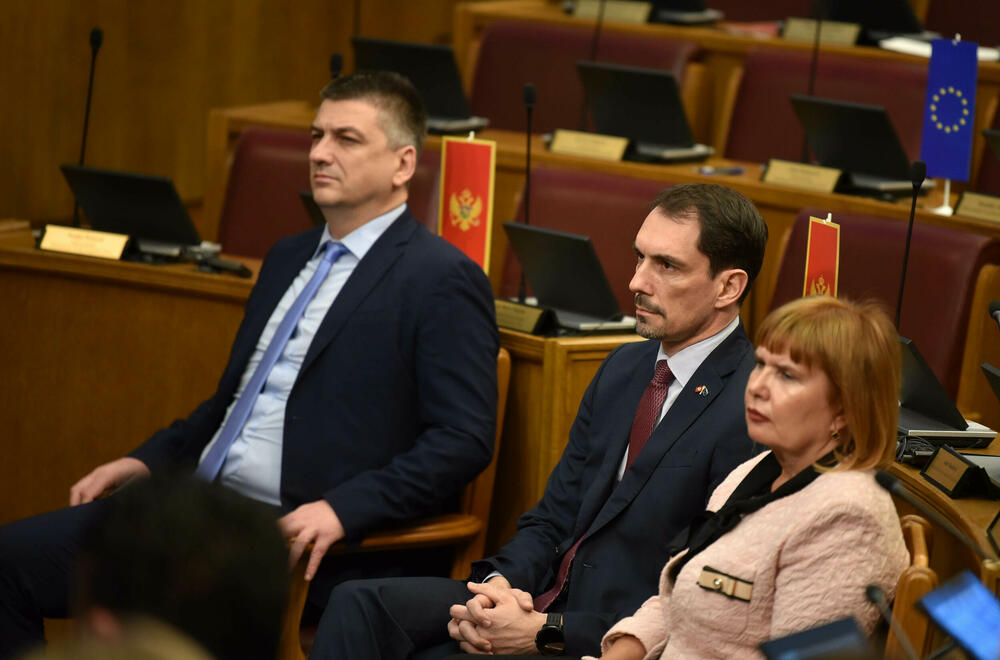
The State Prosecutor's Office in Montenegro has rejected claims that it constitutes a fourth branch of government. The institution asserts that there is no basis for concerns that the Supreme State Prosecutor (VDT) could unduly influence the work of the executive branch. However, the office believes that enshrining the composition of the Prosecutorial Council through a constitutional norm is not a good idea. This perspective was shared by Boris Marić, who also expressed reservations about the proposal. The VDT's stance aims to counter criticisms and fears regarding its potential overreach in the Montenegrin political landscape. The debate highlights ongoing discussions about the separation of powers and the independence of judicial institutions within the country.
The assertion by Montenegro's State Prosecutor's Office that it is not a fourth branch of government, while seemingly a defensive posture, underscores the delicate balance of power in emerging democracies. The concern about the VDT potentially influencing the executive branch, and the counter-argument regarding constitutionalizing the Prosecutorial Council's composition, points to systemic tensions between prosecutorial independence and governmental oversight. Future governance models will need to navigate these complexities, ensuring accountability without compromising the judiciary's ability to function impartially, particularly as Montenegro integrates further into European legal frameworks.
AI-generated to prompt reflection — not editorial opinion, not advice, not a statement of fact. How this works.