Montenegro: A Year Later, Statue Controversy Highlights State Weakness
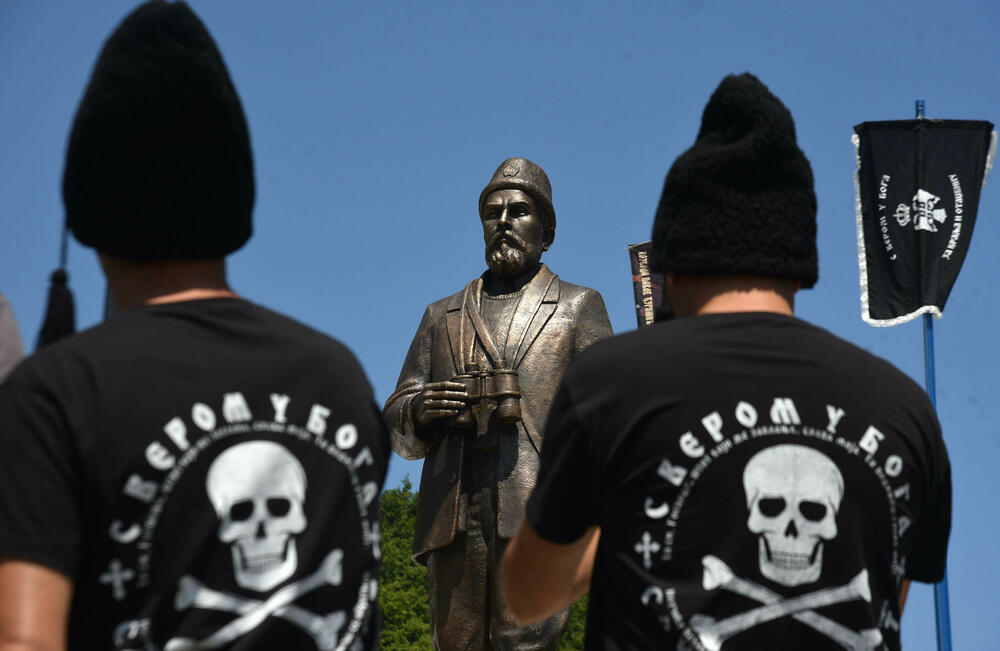
A year after a controversial statue was erected, its disappearance and the subsequent handling of the situation are being described as a significant defeat for the state of Montenegro. The statue, reportedly dedicated to a figure named Đurišić, was initially placed and later removed to religious sites, with its current whereabouts unknown. This entire episode, compounded by the alleged harassment of journalists involved, underscores a perceived failure of state institutions. Experts like Dragan Koprivica and Milka Tadić Mijović criticize the state's inability to decisively resolve the matter, suggesting a lack of strength, expertise, or willingness. The Police Directorate has remained silent on their progress in locating the monument and their assessment of the situation as a state failure. Similarly, the public prosecutor's office in Berane has not provided information regarding the statue's current location, further fueling concerns about the effectiveness and accountability of Montenegrin authorities.
The prolonged and unresolved controversy surrounding the statue in Montenegro, now spanning a year, illustrates challenges in state capacity and institutional responsiveness. The disappearance of the monument and the lack of clear communication from law enforcement and judicial bodies suggest potential governance gaps or internal discord. This situation may reflect broader issues concerning the state's ability to manage sensitive historical narratives and public discourse, particularly when they intersect with religious or political sensitivities. The perceived weakness in resolving such matters could impact public trust and international perceptions of Montenegro's rule of law and institutional stability, particularly as the country navigates its path toward European integration.
AI-generated to prompt reflection — not editorial opinion, not advice, not a statement of fact. How this works.
