Montenegro Aligns Visa Policy with EU, Affecting Russian, Turkish, and Chinese Travelers
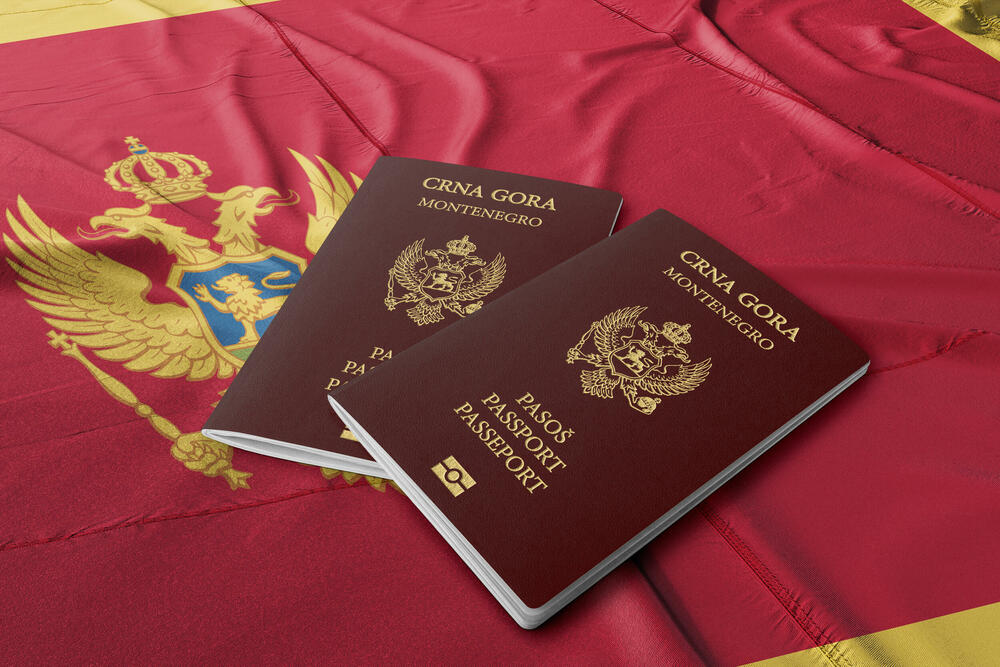
Montenegro is aligning its visa policy with that of the European Union as it moves closer to EU accession. This strategic shift means that citizens from Russia, Turkey, and China will no longer be able to enter Montenegro visa-free. The move is part of Montenegro's broader efforts to harmonize its foreign policy and border regulations with EU standards.
Concurrently, there is an expectation that Montenegrin passports will become highly sought after in Serbia. This anticipated demand suggests a potential loophole or a strategic advantage for Serbian citizens seeking easier travel or other benefits associated with holding a Montenegrin passport. Deutsche Welle reports on these developments, highlighting the dual impact of Montenegro's EU integration on its international relations and internal policies.
Montenegro's decision to align its visa policy with the EU reflects the significant leverage the bloc wields in accession negotiations. This harmonization is a standard requirement for candidate countries, demonstrating a commitment to shared security and migration frameworks. The anticipated demand for Montenegrin passports in Serbia, however, points to potential secondary market dynamics or differing national interests. It raises questions about the effectiveness of passport-based mobility agreements and the potential for arbitrage between national policies, even within a region striving for integration. This situation could highlight systemic challenges in managing cross-border mobility and national identity in the context of evolving geopolitical alignments.
AI-generated to prompt reflection — not editorial opinion, not advice, not a statement of fact. How this works.