Montenegro and Croatia Discuss Bilateral Issues Amid EU Accession Talks
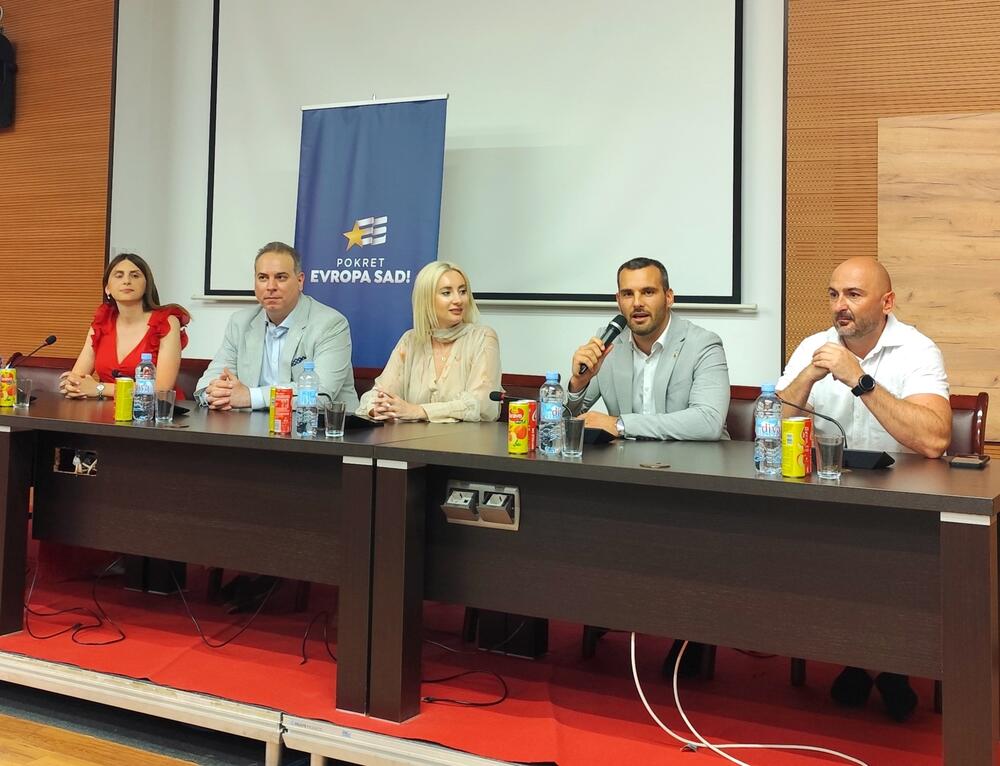
Montenegro's EU accession process continues, with discussions between Montenegro and Croatia highlighting ongoing diplomatic engagement on bilateral matters. The fact that these issues are on the agenda indicates a lack of complete agreement between the two nations. This suggests that while cooperation exists, there are still points of divergence that require continued dialogue. The specific nature of these discussions and the topics being addressed are not detailed in the provided text. However, the mention of these talks implies a complex relationship where both collaboration and negotiation are necessary. The ongoing dialogue is crucial for resolving outstanding issues and strengthening ties between the two countries as Montenegro pursues its integration into the European Union. The presence of officials like Gorčević and Ivanović at a tribune suggests a public or semi-public forum for these discussions, potentially involving broader stakeholder engagement or information dissemination. The outcome of these bilateral discussions will likely influence the pace and success of Montenegro's EU accession journey. Further details on the specific points of contention or agreement are not available.
The ongoing dialogue between Montenegro and Croatia concerning bilateral issues, particularly within the context of Montenegro's EU accession, reflects a common dynamic in international relations. The need for continuous negotiation, even between allied or aspiring member states, underscores the complexities of harmonizing national interests with broader regional integration goals. This situation presents an opportunity for both nations to refine their diplomatic strategies, ensuring that specific bilateral concerns do not unduly impede the larger objective of European integration. The process highlights the importance of robust communication channels and a commitment to finding mutually agreeable solutions, which are essential skills for effective participation in the European Union's framework. Future developments will likely depend on the ability of both governments to manage these discussions constructively, balancing national priorities with the shared vision of a unified Europe.
AI-generated to prompt reflection — not editorial opinion, not advice, not a statement of fact. How this works.