Montenegro: Few Convictions Despite Widespread Devastation, Justice System Falters
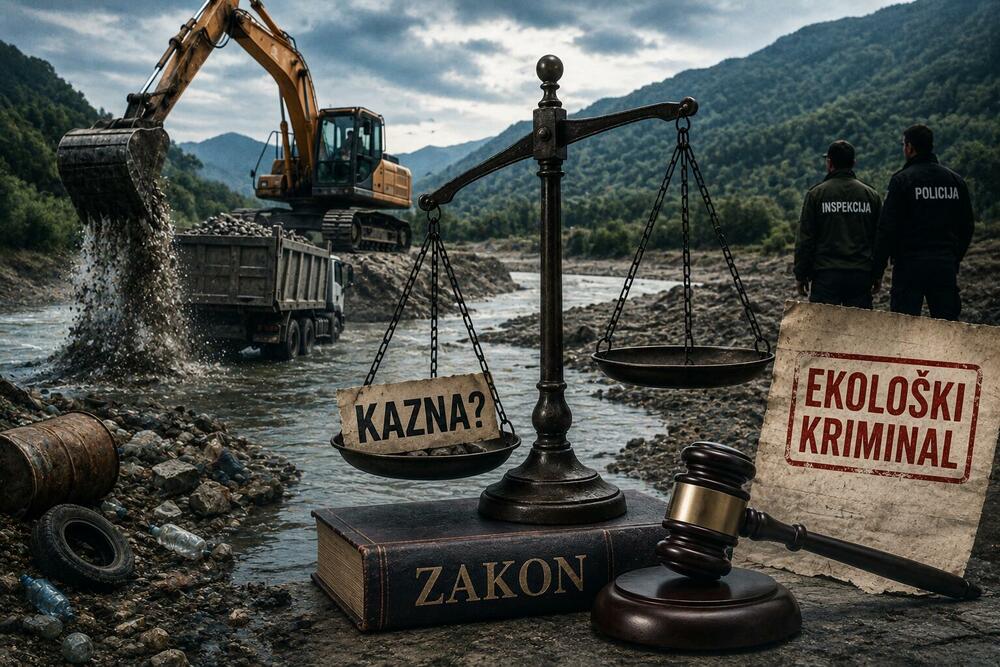
In Montenegro, the justice system has shown a weak response to significant devastation over the past six years, with only a handful of convictions handed down. Many serious cases remain unresolved, either failing to reach a judicial conclusion or becoming time-barred due to delays. This pattern suggests a systemic issue within the judiciary's capacity or willingness to prosecute and secure convictions in impactful cases. The lack of accountability raises concerns about the rule of law and public trust in the judicial process. While the original report does not specify the nature of the "devastation," the limited judicial outcomes imply that significant societal or environmental damage has occurred without adequate legal redress. This situation is particularly concerning as it leaves victims without justice and perpetrators without consequence, potentially encouraging further disregard for laws and regulations. The ongoing failure to address these cases effectively undermines the principle of justice and could have long-term implications for social stability and economic development in Montenegro.
The reported low conviction rate in Montenegro, despite significant devastation, points to potential systemic inefficiencies or challenges within the judicial process. Factors such as resource allocation, investigative capacity, prosecutorial effectiveness, and judicial independence may warrant examination. Understanding the root causes of case attrition, including delays and statutes of limitations, is crucial for assessing the efficacy of the justice system. Addressing these issues could involve procedural reforms, enhanced training for legal professionals, and greater transparency. Evaluating these dynamics in the context of evolving legal frameworks and societal expectations over the next decade will be important for fostering a more robust and responsive justice system.
AI-generated to prompt reflection — not editorial opinion, not advice, not a statement of fact. How this works.