Montenegro Parliament Rejects Amendments to Public Sector Salary Law
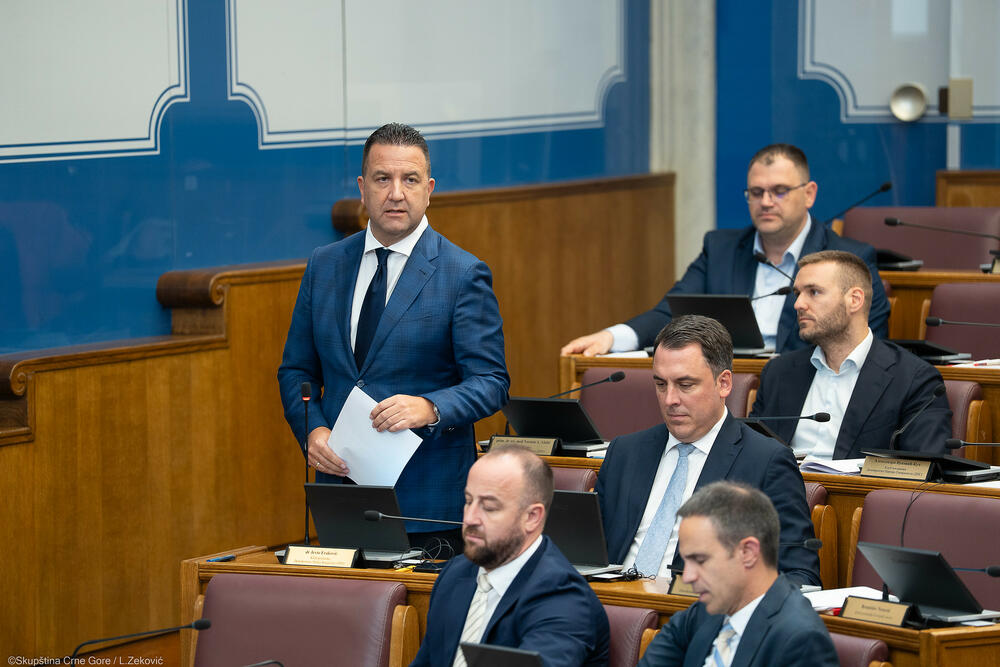
The Parliament of Montenegro did not adopt amendments to the Law on Salaries of Employees in the Public Sector during a session held last night. This decision has drawn criticism from healthcare professionals. Specifically, representatives of nurses and technicians have voiced their dissatisfaction, with Eraković stating that the current authorities do not respect these vital medical staff. The failure to pass these amendments means that the existing salary structure for public sector employees, including those in healthcare, will remain unchanged for the time being. This situation highlights ongoing tensions regarding compensation and recognition for public sector workers in Montenegro. The specific details of the proposed amendments and the reasons for their rejection were not provided in the initial report. However, the sentiment expressed by Eraković suggests that the proposed changes were intended to address perceived inequalities or insufficient pay for nurses and technicians. The outcome of this parliamentary vote is likely to have implications for the morale and retention of healthcare professionals within the public system.
The parliamentary rejection of salary law amendments for public sector employees in Montenegro underscores a common governance challenge: aligning legislative action with the demands of essential service providers. While the specific reasons for the bill's failure are not detailed, such outcomes often stem from complex political negotiations, fiscal constraints, or differing priorities among lawmakers. The criticism from healthcare professionals points to a potential disconnect between the perceived value of their work and their remuneration, a dynamic that can impact service quality and workforce stability. Looking ahead, sustained underinvestment or a lack of legislative responsiveness to the needs of public sector workers could exacerbate workforce shortages and affect the delivery of critical services, particularly in healthcare. Addressing these systemic issues requires a balanced approach that considers both fiscal responsibility and the imperative to fairly compensate and retain skilled personnel.
AI-generated to prompt reflection — not editorial opinion, not advice, not a statement of fact. How this works.