Montenegro PM: Serbia's Reaction to Informer Editor Ban Not Reciprocal
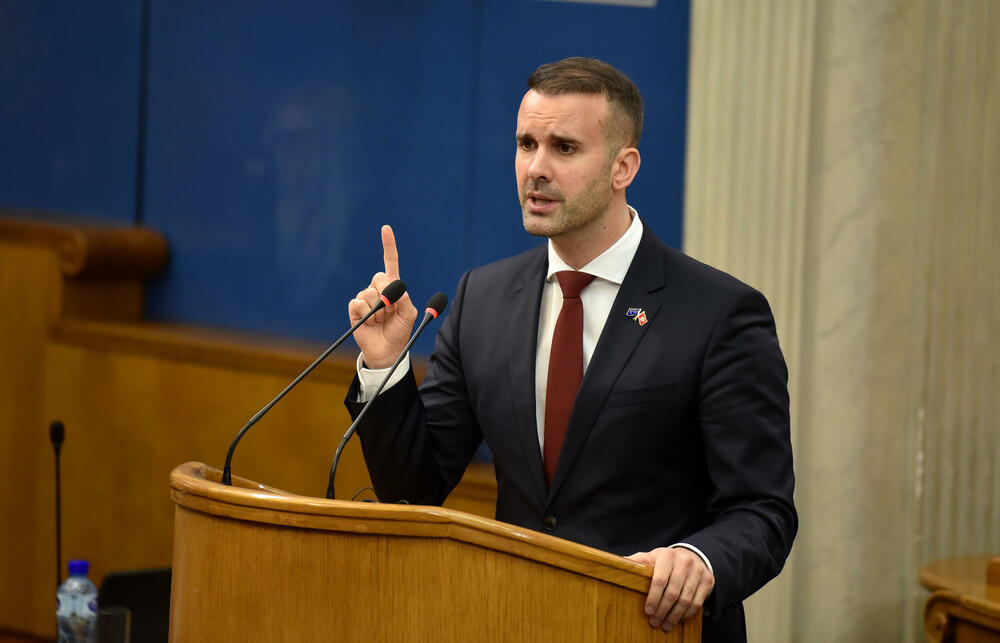
Montenegrin Prime Minister Milojko Spajić stated that Serbia's reaction to the ban on the editor-in-chief of 'Informer' entering Montenegro cannot be considered reciprocal. Spajić emphasized that the measure Serbia took in response is not comparable to Montenegro's decision. He believes that the journalistic approach in question should not be placed on the same level as other actions. The Prime Minister's comments suggest a disagreement with Serbia's assessment of the situation and its retaliatory measures. This statement highlights a diplomatic tension between the two countries concerning media access and national sovereignty. Spajić's remarks aim to clarify Montenegro's position and differentiate its actions from Serbia's response. The situation underscores the complexities of international relations, particularly when they intersect with media freedom and national security concerns.
The assertion that Serbia's response to the ban on a specific editor is not reciprocal suggests a divergence in how each nation perceives the proportionality of actions within the context of international relations and media access. This situation may reflect differing interpretations of journalistic responsibility and state sovereignty. Examining the underlying incentive structures for both Montenegro's initial ban and Serbia's subsequent reaction could reveal strategic considerations beyond immediate reciprocity. Future diplomatic engagements will likely hinge on establishing clearer protocols for handling cross-border media incidents to prevent escalation and maintain stable bilateral ties.
AI-generated to prompt reflection — not editorial opinion, not advice, not a statement of fact. How this works.