Montenegro: Political Stalemate Over Presidential Election Law
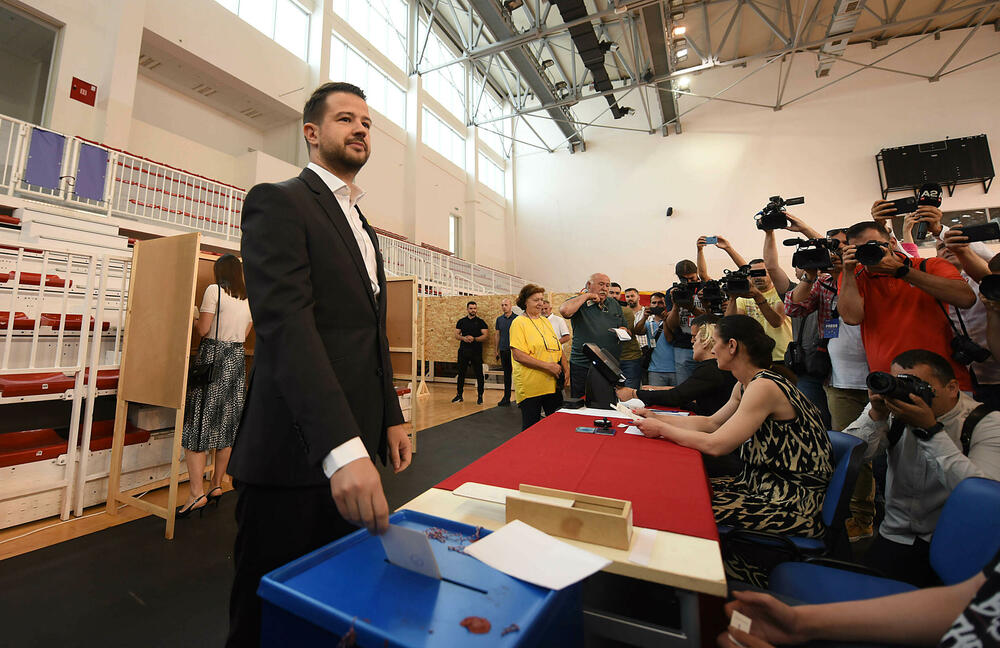
Montenegro's Center for Democratic Transition (CDT) has highlighted significant issues with the proposed legislation for presidential elections. The CDT advocates for allowing voters to support multiple candidates with a single signature, a provision currently absent from the draft law. A key concern raised by the CDT is the lack of a defined timeframe for the Constitutional Court to rule on election-related appeals. This absence, they argue, creates a critical loophole that could undermine the electoral process. Both the ruling coalition and the opposition appear hesitant to address these precise regulatory concerns, leading to a legislative impasse. The CDT's calls for greater transparency and efficiency in the election process are being met with political inertia. The organization emphasizes that clear rules are essential for fair and democratic elections, particularly regarding the selection of the head of state.
The political deadlock surrounding Montenegro's presidential election law reflects a broader challenge in establishing robust electoral governance. The CDT's proposed changes, aimed at enhancing voter choice and judicial accountability, appear to be stalled by a lack of consensus between the ruling and opposition parties. This situation raises questions about the incentives driving legislative action, potentially indicating a preference for maintaining ambiguity over enacting reforms that could alter the political landscape. As Montenegro navigates its democratic development, the absence of clear, time-bound judicial review mechanisms for election disputes could create systemic vulnerabilities. Future legislative efforts may need to consider how to align the interests of political actors with the imperative of transparent and efficient electoral administration to ensure public trust and adherence to democratic norms.
AI-generated to prompt reflection — not editorial opinion, not advice, not a statement of fact. How this works.