Montenegro Receives Nearly 86,000 Applications for Legalizing Buildings
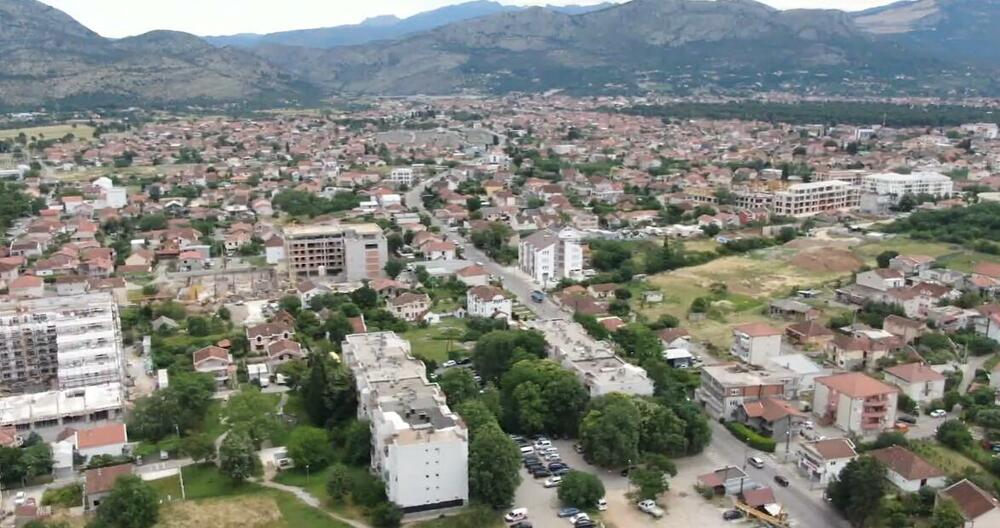
The Ministry of Economic Development of Montenegro, under Minister Slaven Radunović, has reported receiving approximately 86,000 applications for the legalization of illegally constructed buildings. This figure represents a significant number of structures built without proper permits across the country. When combined with applications for registration in the land registry, it is estimated that there are at least 100,000 illegally built objects on Montenegrin territory. This situation highlights a widespread issue of unauthorized construction, posing challenges for urban planning, property rights, and municipal services. The government is undertaking efforts to address this backlog and bring these structures into the legal framework. The high volume of applications suggests a long-standing problem that the current administration is attempting to resolve through this legalization process. Further details on the timeline and success rate of these applications are expected as the process unfolds.
The substantial number of applications for building legalization in Montenegro, exceeding 86,000 and potentially reaching 100,000 with land registry entries, indicates a systemic challenge in enforcing construction regulations and property documentation over an extended period. This situation presents a complex governance issue, where addressing past non-compliance through legalization may create incentives for future similar actions if not accompanied by robust enforcement and transparent planning. The government's initiative to process these applications is a critical step toward formalizing property ownership and improving urban management. However, the long-term success will depend on establishing clear, consistently applied legal frameworks and ensuring that the costs and complexities of legal construction are manageable for citizens, thereby mitigating the underlying drivers of illegal building.
AI-generated to prompt reflection — not editorial opinion, not advice, not a statement of fact. How this works.