Montenegro's Constitutional Changes: Elections, EU Path, and Political Standoff
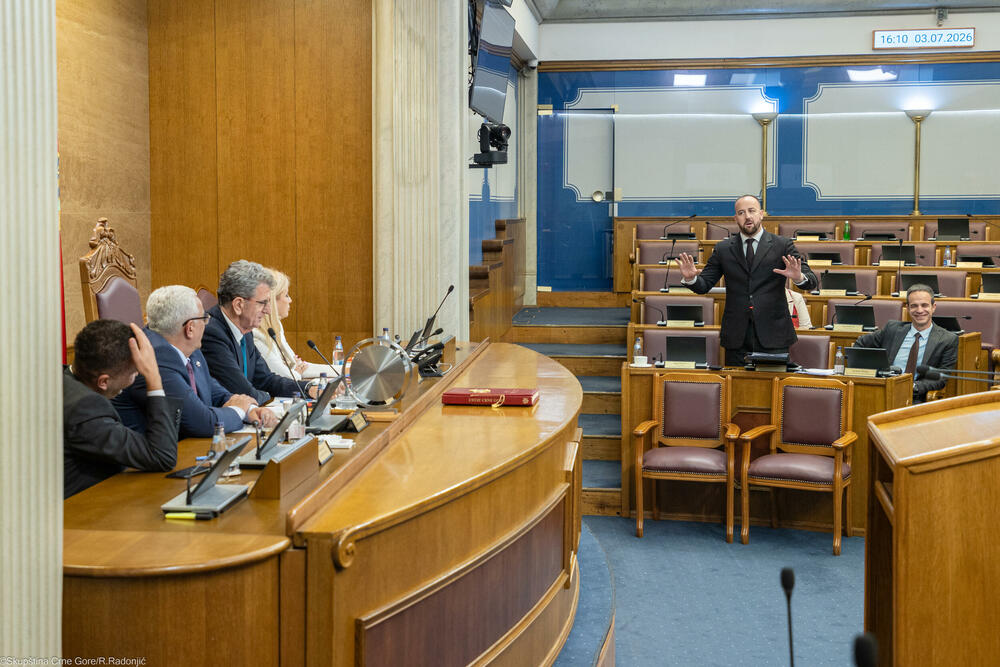
Montenegro is considering significant amendments to its constitution, which are intricately linked to upcoming elections and the nation's European Union integration path. The proposed changes are seen by the ruling party as a crucial test for the opposition. However, the opposition views the constitutional vote not in isolation but as part of a broader ongoing dialogue. A key concern raised is that a failure to reach an agreement on these amendments could undermine the government's narrative of European integration being its primary achievement. Political analyst Miloš Perović suggests that if the ruling party secures the necessary majority without the Democratic Party of Socialists (DPS) and the European Alliance, it would expose certain opposition factions, presenting themselves as fundamental opposition, as merely "paper tigers." Stefan Đukić further comments that the government claims the constitutional changes are primarily a litmus test for the opposition, rather than for themselves. Conversely, opposition parties argue that the vote on the constitution cannot be divorced from the comprehensive dialogue currently underway.
The proposed constitutional amendments in Montenegro appear to be a strategic maneuver by the incumbent government, leveraging the EU accession process to consolidate political power and test opposition unity. The framing of these changes as a prerequisite for EU integration, while simultaneously presenting them as a test for the opposition, creates a complex political dynamic. This approach may incentivize opposition parties to either compromise on principles to appear pro-European, or risk being labeled as obstacles to national progress. The potential for the ruling party to secure a majority independent of key opposition blocs, as suggested, could reshape the political landscape, potentially weakening established opposition forces and consolidating the government's influence. This situation highlights the delicate balance between domestic political reform and the external pressures of EU accession, where legislative processes can become intertwined with electoral strategies and power struggles.
AI-generated to prompt reflection — not editorial opinion, not advice, not a statement of fact. How this works.